
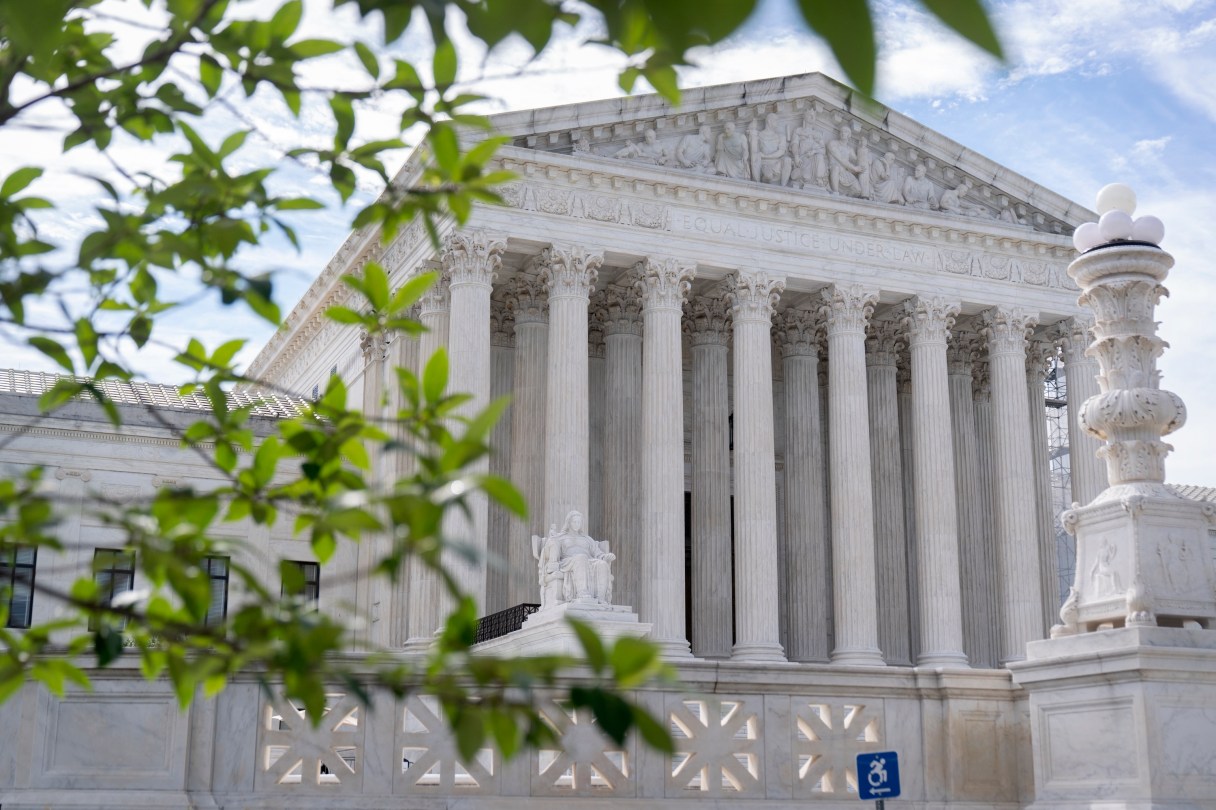
WASHINGTON (AP) — The U.S. Supreme Court did not settle the debate over whether federal law requires hospitals to stabilize pregnant patients with emergency abortions on Wednesday, despite saying Idaho hospitals can provide abortions in medical emergencies even with the state’s restrictions.
The court delivered a 6-3 procedural ruling that left key questions still lingering about whether states can ban doctors from providing emergency abortions that save a woman from serious infection or organ loss.
Health and legal experts say Thursday’s order that divided the Supreme Court’s conservatives does nothing to protect pregnant women in other states with strict abortion bans, where state bans might conflict with a federal law that the Biden administration argues requires emergency abortions.
“The decision the Supreme Court released this morning doesn’t shed any light on how that conflict will or should be resolved,” said Joanne Rosen, the co-director of the Johns Hopkins Center for Law and the Public’s Health.
Here is a look at emergency abortions in the U.S., the federal law that the Biden administration says requires hospitals to provide them, and why the debate on the legality of those abortions is far from resolved.