
Friday, October 30, 2026Oct 30

This story is exclusive to subscribers.

Development is transforming the Southern Cumberland Plateau, but 10,000 acres within Little Sequatchie Cove will be preserved

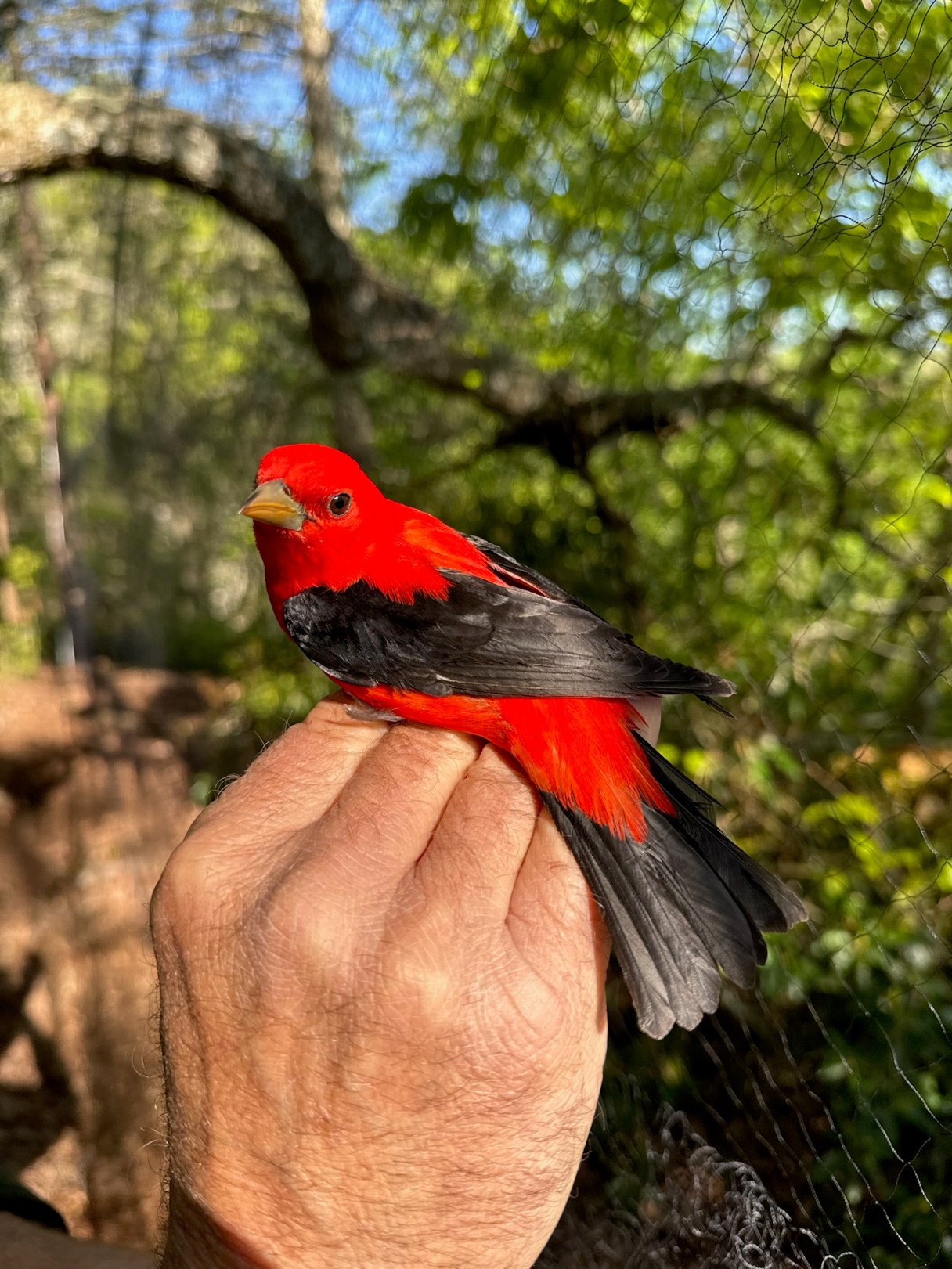
Contributed Photo / The Appalachian Conservation Institute conducted a biodiversity inventory to determine what species lived in the Little Sequatchie Cove. Shown here is a male scarlet tanager.

Attachment 2:
April 23, 2024 9:19 AM
Tracy City, TN
Male Scarlet Tanager
Photo credit: Rick Huffines
Contributed Photo / The Appalachian Conservation Institute conducted a biodiversity inventory to determine what species lived in the Little Sequatchie Cove. Shown here is a male scarlet tanager. Attachment 2: April 23, 2024 9:19 AM Tracy City, TN Male Scarlet Tanager Photo credit: Rick Huffines Contributed Photo / The Appalachian Conservation Institute conducted a biodiversity inventory to determine what species lived in the Little Sequatchie Cove. Shown here is a male scarlet tanager. Attachment 2: April 23, 2024 9:19 AM Tracy City, TN Male Scarlet Tanager Photo credit: Rick Huffines

The view from Low Gap Point in Marion County stretches to the horizon, an endless sea of forested ridges broken only by the Little Sequatchie River.

The goal of the Appalachian Conservation Institute is to keep it that way.

Founded in 2023 by Moccasin Bend residents Michael and Karmin Pace, Appalachian Conservation Institute is on a mission to protect 10,000 acres within Little Sequatchie Cove.

Development is transforming the Southern Cumberland Plateau, with large tracts of land being cleared and subdivided for new homes, said Institute Executive Director Rick Huffines.

“We saw the development that was happening at Jasper Highlands,” said Michael Pace, referring to the nearly 9,000-acre mountaintop community in Marion County. “We thought, ‘Maybe we can buy up some of this land and make sure it’s taken care of.'”