
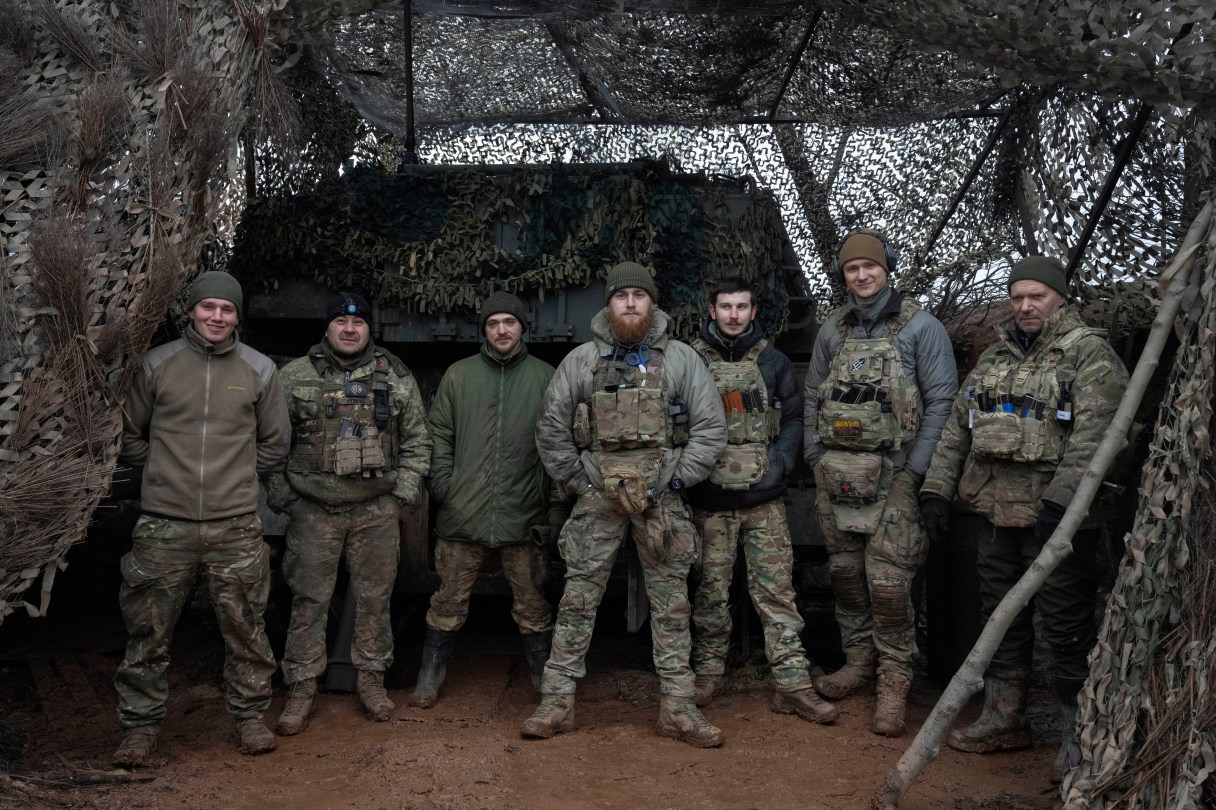
KYIV, Ukraine (AP) — The U.S. has lifted a ban on providing American weapons and training to a controversial Ukrainian military unit that was key to the defense of the major port city of Mariupol, the State Department said on Tuesday.
The Azov Brigade is among Ukraine’s most effective and popular fighting units but it has been dogged by its origins as a volunteer battalion that drew fighters from far-right circles and criticism for some of its tactics. The U.S. had banned the regiment from using American weapons, citing the neo-Nazi ideology of some of its founders.
The current members of the Azov Brigade, which has been absorbed into Ukraine’s National Guard as the 12th Special Forces Brigade, reject accusations of extremism and any ties with far-right movements. But the Kremlin has seized on the regiment’s origins in its efforts to cast Russia’s invasion as a battle against Nazi influence in Ukraine.
Kremlin spokesman Dmitry Peskov said Moscow took an “extremely negative” view of Washington’s decision. He described Azov as an “ultranationalist armed formation” and accused U.S. authorities of being “ready to flirt with neo-Nazis.”