
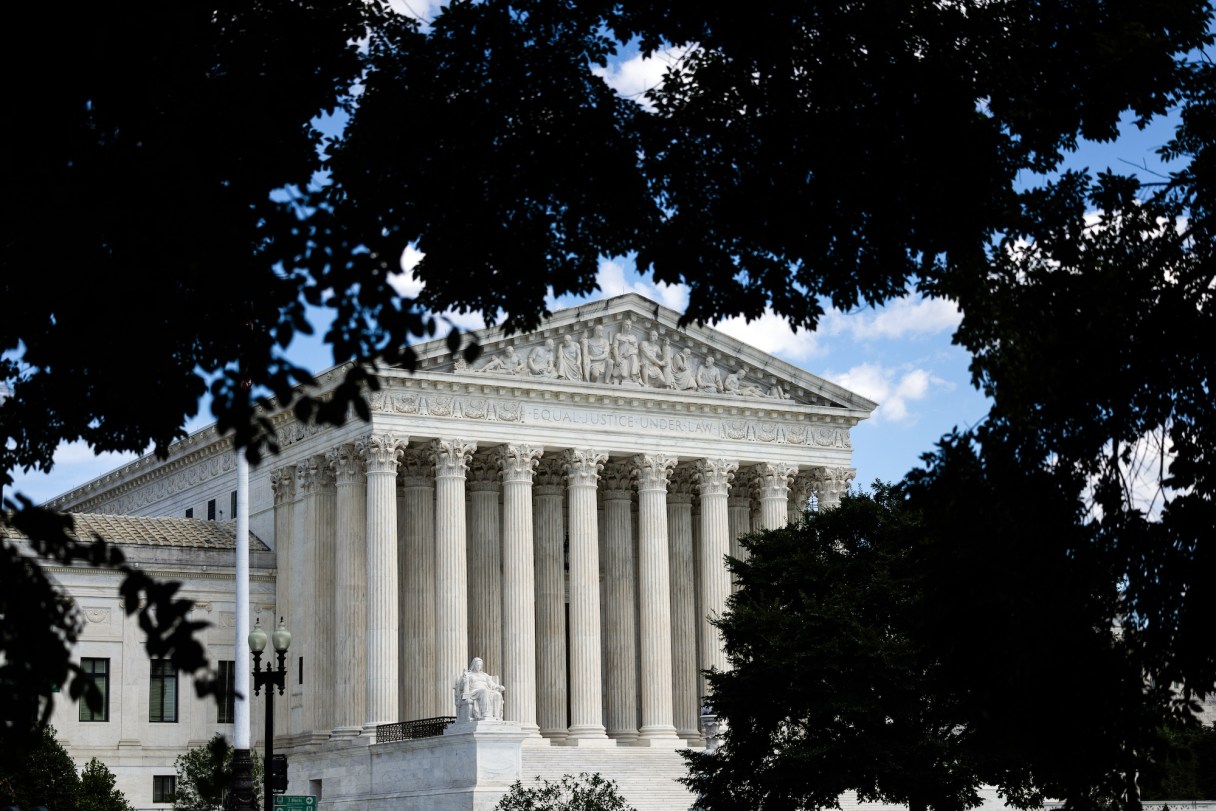
The U.S. Supreme Court ended its term last Monday with a highly anticipated decision that provides American presidents with a modicum of immunity from criminal charges. The case was ostensibly about Donald Trump, but in fact the ruling sets guidelines intended to ensure the nation — regardless of which man, woman or party holds the Oval Office — doesn’t become mired in a series of retaliatory and vindictive prosecutions.
Progressives, fixated on Trump, argue that the 6-3 decision “creates a law-free zone around the president,” as Justice Sonia Sotomayor described it in her dissent. But it does nothing of the sort.
“The president enjoys no immunity for his unofficial acts,” Chief Justice John Roberts wrote for the majority, “and not everything the president does is official. The president is not above the law. But Congress may not criminalize the president’s conduct in carrying out the responsibilities of the executive branch under the Constitution.”
Note that the court explicitly rejected Trump’s claim of absolute immunity. “Trump asserts a far broader immunity,” the majority opinion holds, “than the limited one we have recognized.” But the idea, put forth by special prosecutor Jack Smith and the government that a president has no special protection is equally pernicious.
In the current political climate, such concerns are not theoretical.