
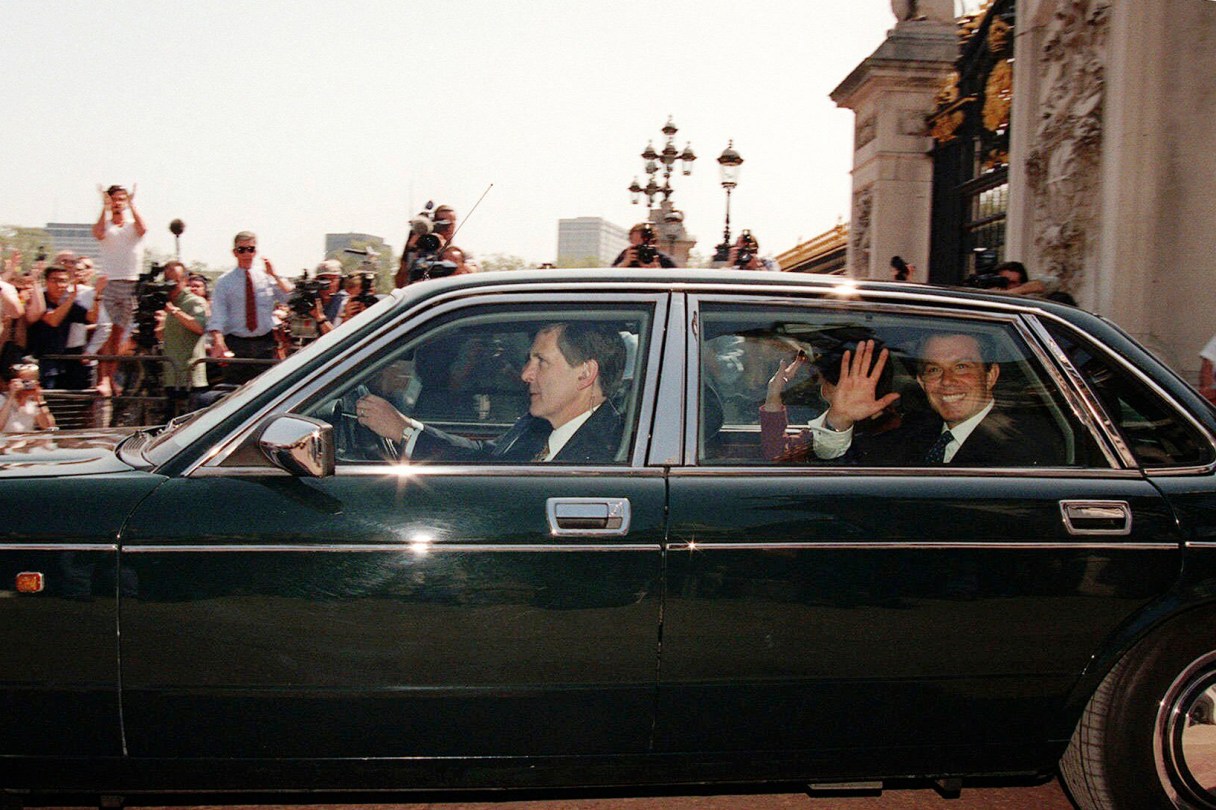
LONDON (AP) — The Labour Party has won Britain’s general election, bringing a new party to power for the first time in 14 years. But Labour leader Keir Starmer didn’t actually become prime minister until a carefully choreographed ceremony on Friday during which King Charles III formally asked him to form a new government.
It’s a moment that embodies the fact that, technically at least, the right to govern in the United Kingdom is still derived from royal authority, centuries after real political power was transferred to elected members of Parliament.
The process is swift, if somewhat brutal for departing prime ministers, like Rishi Sunak. Here’s how ceremonial events unfold after an election.
History meets the modern world
While Britain is a constitutional monarchy where the king’s power is strictly limited by law and tradition, much of what happens here has echoes of the past. In this case, the process harkens back to a time when the king exercised supreme power and chose his preeminent minister — the prime minister — to run his government.