
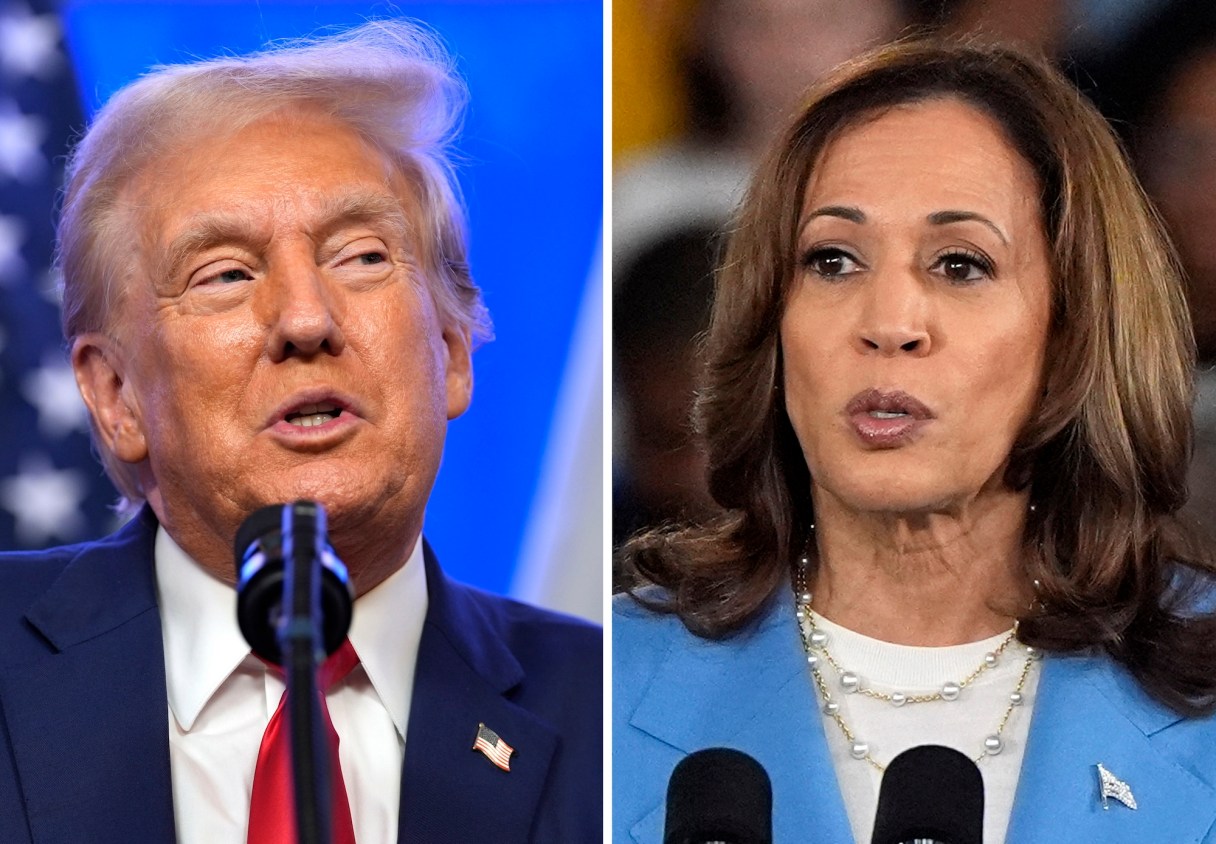
The presidential race between Kamala Harris and Donald Trump is shaping up to be an extremely tight contest. Any number of last-minute factors might earn votes for one candidate or the other. Late-breaking economic news, international conflicts, personal gaffes or revelations — all may be enough to tilt the election.
There are also factors that have absolutely nothing to do with the candidates themselves or national and international conditions, but can affect a close election. These are what you might call the random factors.
The most prominent of these wild cards is the weather on Election Day. As I say in my recent book, “The Random Factor,” the weather is notoriously difficult to predict because of its random nature. Yet it can have a decisive influence on who wins and loses in a close election.
Fair-weather friends
Research has shown that bad weather such as rain or snow tends to suppress voter turnout. For less motivated voters, harsh weather may be enough to keep them away from the polls on Election Day.