
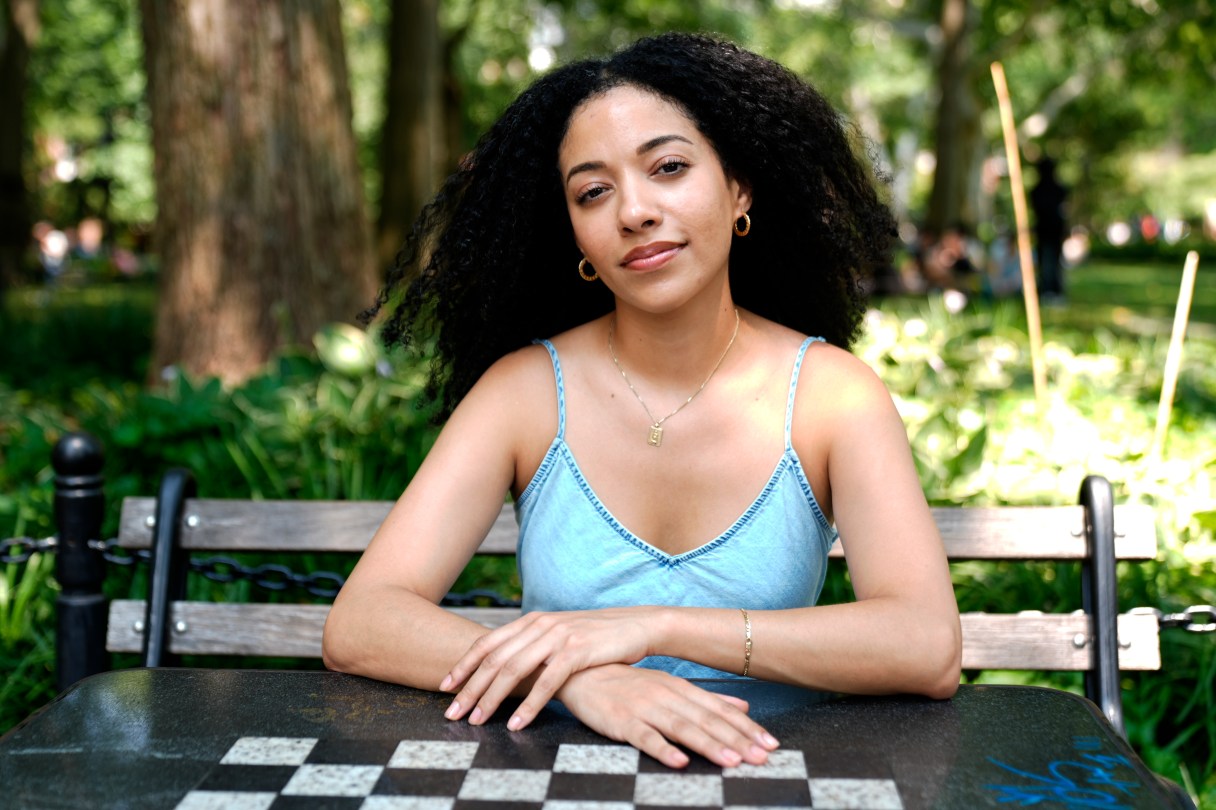
NEW YORK (AP) — It started a couple of years ago when Juliana Pache was doing a crossword puzzle and got stuck.
She was unfamiliar with the reference that the clue made. It made her think about what a crossword puzzle would look like if the clues and answers included more of some subjects that she WAS familiar with, thanks to her own identity and interests — Black history and Black popular culture.
When she couldn’t find such a thing, Pache decided to do it herself. In January 2023, she created blackcrossword.com, a site that offers a free mini-crossword puzzle every day. And Tuesday marked the release of her first book, “Black Crossword: 100 Mini Puzzles Celebrating the African Diaspora.”
It’s a good moment for it, nearly 111 years after the first crossword appeared in a New York newspaper. Recent years have seen an increasing amount of conversation around representation in crossword puzzles, from who’s constructing them to what words can be used for answers and how the clues are framed. There’s been a push to expand the idea of the kinds of “common knowledge” players would have to fill them out.