
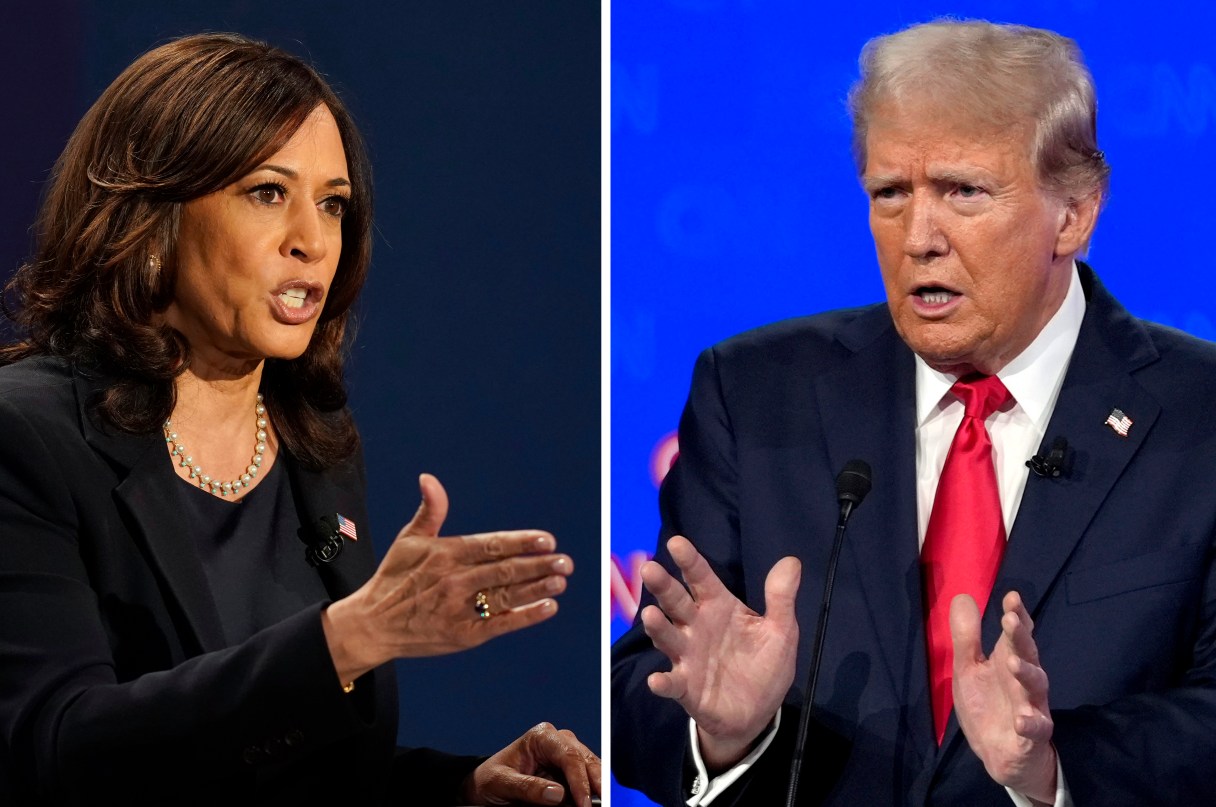
WASHINGTON (AP) — Kamala Harris and Donald Trump will meet for the first time face-to-face Tuesday night for perhaps their only debate, a high-pressure opportunity to showcase their starkly different visions for the country after a tumultuous campaign summer.
The event, at 9 p.m. Eastern in Philadelphia, will offer Americans their most detailed look at a campaign that’s dramatically changed since the last debate in June. In rapid fashion, President Joe Biden bowed out of the race after his disastrous performance, Trump survived an assassination attempt and bothsides chose their running mates.
Harris is intent on demonstrating that she can press the Democratic case against Trump better than Biden did. Trump, in turn, is trying to paint the vice president as an out-of-touch liberal while trying to win over voters skeptical he should return to the White House.
Trump, 78, has struggled to adapt to Harris, 59, who is the first woman, Black person and person of South Asian descent to serve as vice president. The Republican former president has at times resorted to invoking racial and gender stereotypes, frustrating allies who want Trump to focus instead on policy differences with Harris.
The vice president, for her part, will try to claim a share of credit for the Biden administration’s accomplishments while also addressing its low moments and explaining her shifts away from more liberal positions she took in the past.