
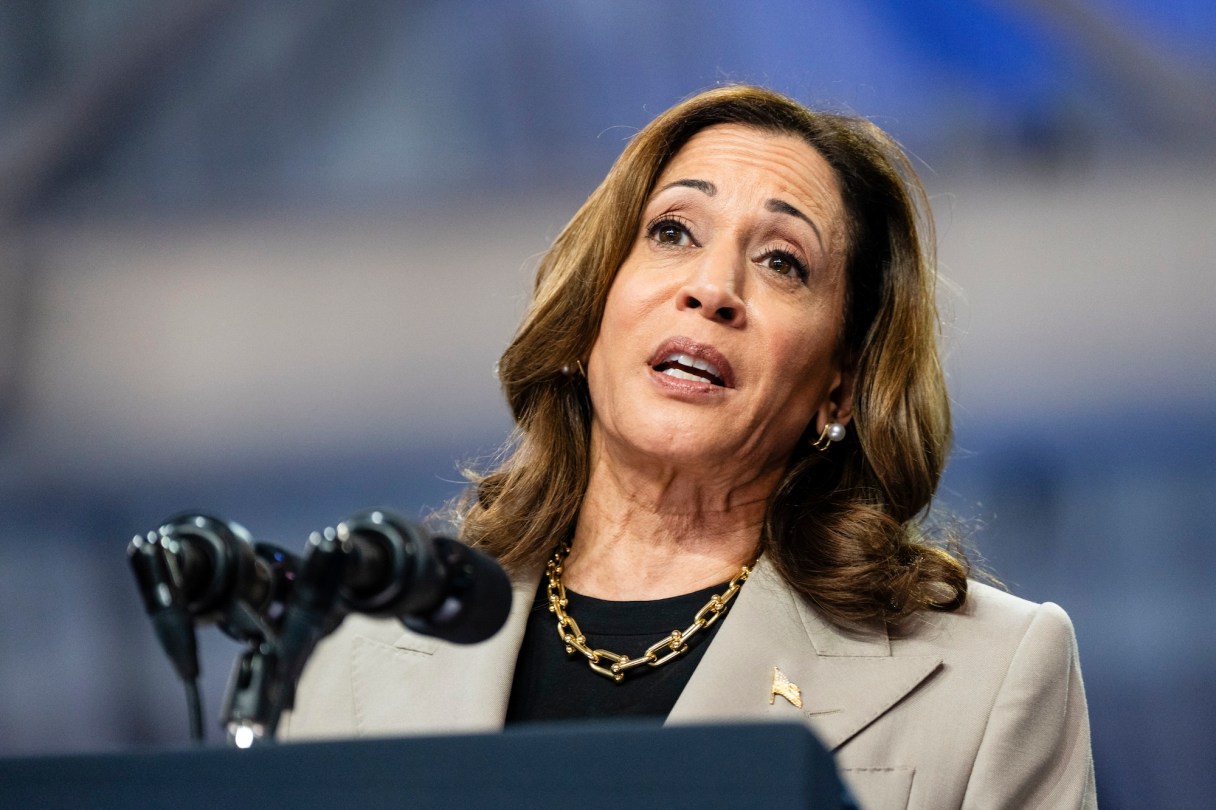
The best thing about Kamala Harris’ policy debut last week was the backlash.
I don’t mean the political backlash; Harris’ attack on “price-gouging” was probably smart politics. It amplified her campaign’s message that she’s “fighting for the people.” That economists scoff at the tools she would use in that fight probably doesn’t matter much.
Nonetheless, it’s reassuring that most economists roll their eyes at government price controls. Few lessons from economic history are more clear than the futility of that approach, as Robert L. Schuettinger and Eamonn F. Butler chronicled in their 1979 book “Forty Centuries of Wage and Price Controls: How Not to Fight Inflation.”
Amid the short-lived debate over private-sector “greed” occasioned by Harris’ proposal, we heard almost nothing about the avarice of the public sector.
By almost any measure, eggs and other staples have become much, much cheaper over the last century. Recent spikes in food prices were just statistical noise in that broader trend with well-known causes: the COVID-19 pandemic, supply chain snarls, avian flu and general inflation.