
JERUSALEM (AP) — Israel and the Lebanese militant group Hezbollah traded heavy fire early Sunday but backed off from sparking a widely feared all-out war, as both sides signaled their most intense exchange in months was over.
The cross-border attacks came as high-level talks resumed in Egypt aimed at a cease-fire between Israel and Hamas in Gaza that also would ease regional tensions. The Hamas and Israeli delegations later left Cairo, and an Israeli official speaking on condition of anonymity to discuss behind-the-scenes diplomacy said the talks were expected to continue.
Hezbollah claimed to hit an Israeli military intelligence site near Tel Aviv in a barrage of hundreds of rockets and drones, and Israel claimed its strikes had been preemptive to avert a larger attack. Neither offered evidence.
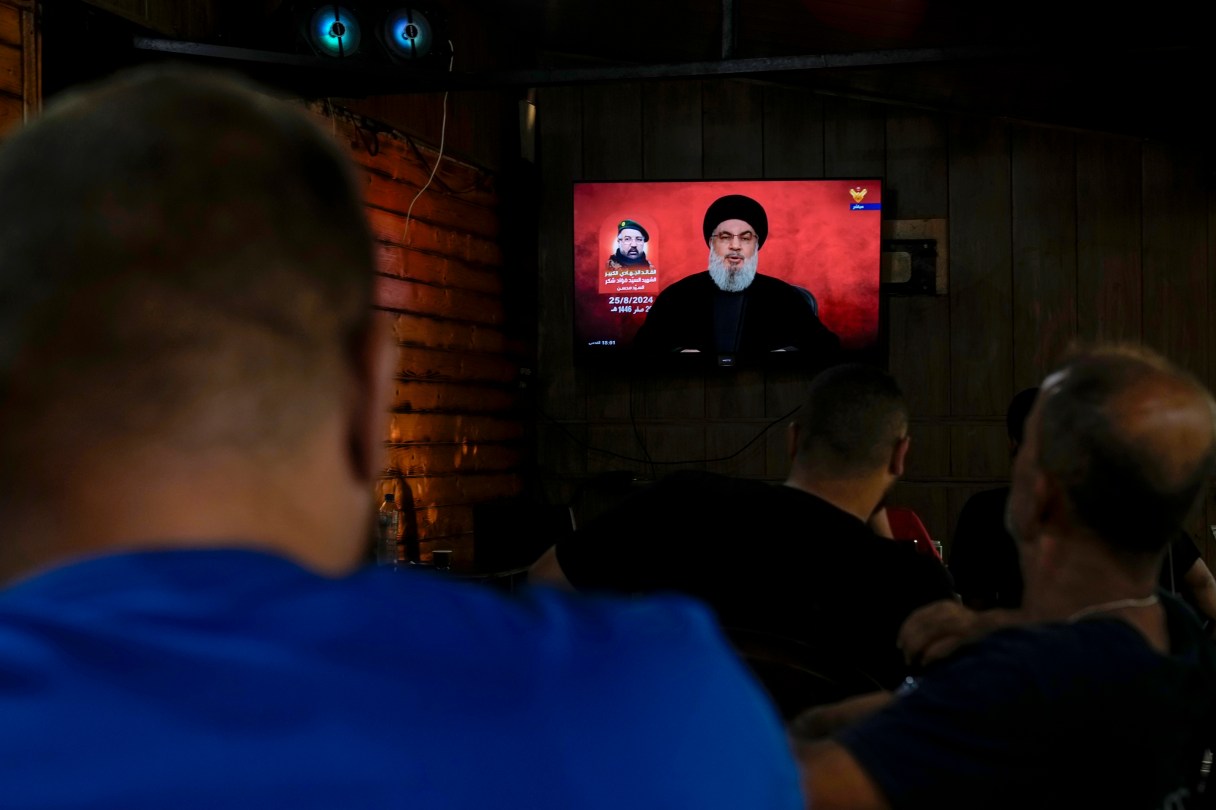
Hezbollah leader Hassan Nasrallah said the attack, a response to Israel’s killing of a top militant commander in Beirut last month, had been delayed to give the Gaza cease-fire talks a chance, and so fellow Iran-backed groups could discuss with Iran whether to attack Israel all at once. Israeli and U.S. military deployment also played a role.