
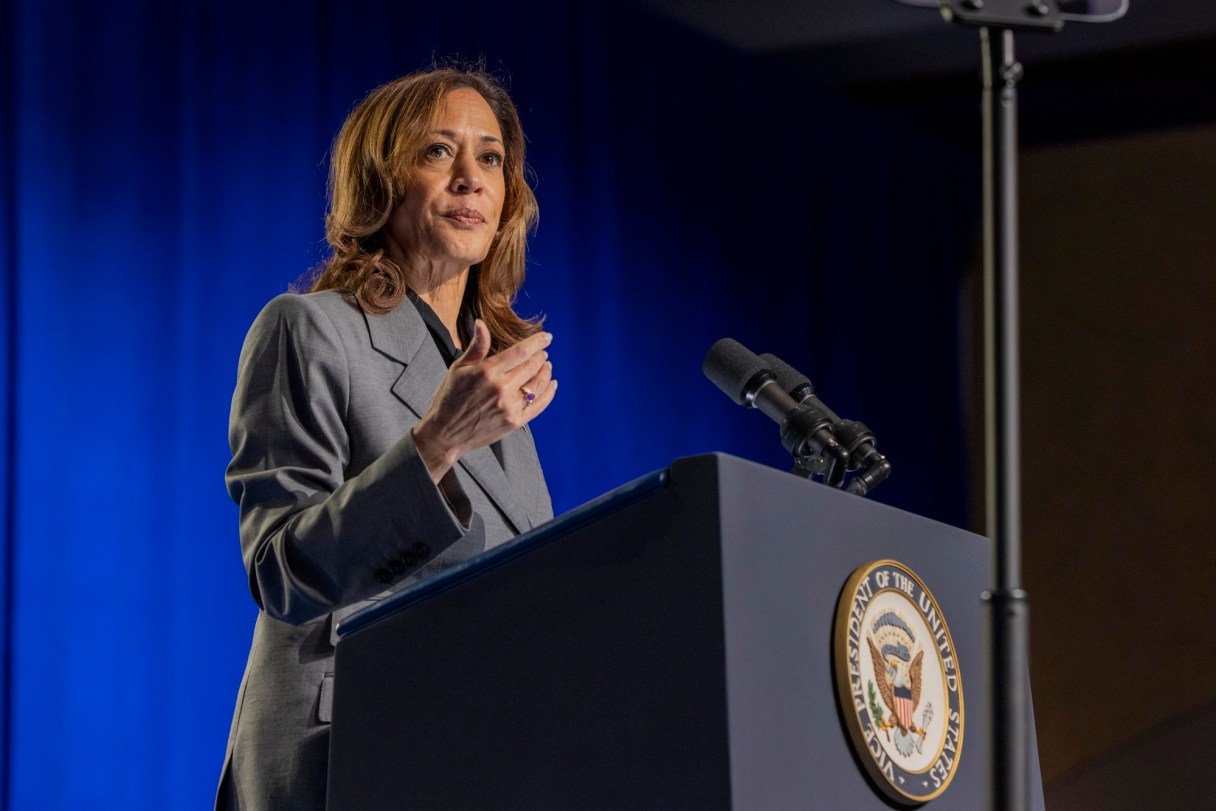
It’s been more than two months since Vice President Kamala Harris was deeded the Democratic presidential nomination. During that time, she has not held a news conference or sat with many mainstream journalists to answer serious questions about how she would lead the country and who she would choose as her advisers. On Saturday, riding high on her first debate win against Trump, Harris accepted CNN’s offer of a second presidential debate on Oct. 23. Trump declined the offer to appear on the Harris-friendly and anti-Trump CNN saying, “it’s too late.”
Harris has promised to bring down the cost of everything, though costs still remain high partly because of the spending policies of her and President Biden’s administration. Will those policies continue and if not, what policies will replace them?
How would she handle the war in Ukraine? Should China invade Taiwan on her watch, would she commit U.S. troops and resources to defend the democratic nation? Would she support laws already on the books to keep migrants who are not U.S. citizens from voting in federal elections? How would she do this?
Does she still intend to tax unrealized capital gains, meaning people would pay on assets, like their homes, 401K’s and other retirement savings that have increased in value but whose owners have not benefited from them?
The Republican presidential nominee, Donald Trump, has promised to bring in outside auditors to reduce the size, cost and reach of the federal government. Is this something she endorses? If not, what would she do to reduce the debt which is a record $35 trillion. According to the Peter G. Peterson Foundation: “In 2023, the federal government spent $658 billion on net interest costs on the national debt. That total grew by 38 percent from $476 billion in 2022.”