
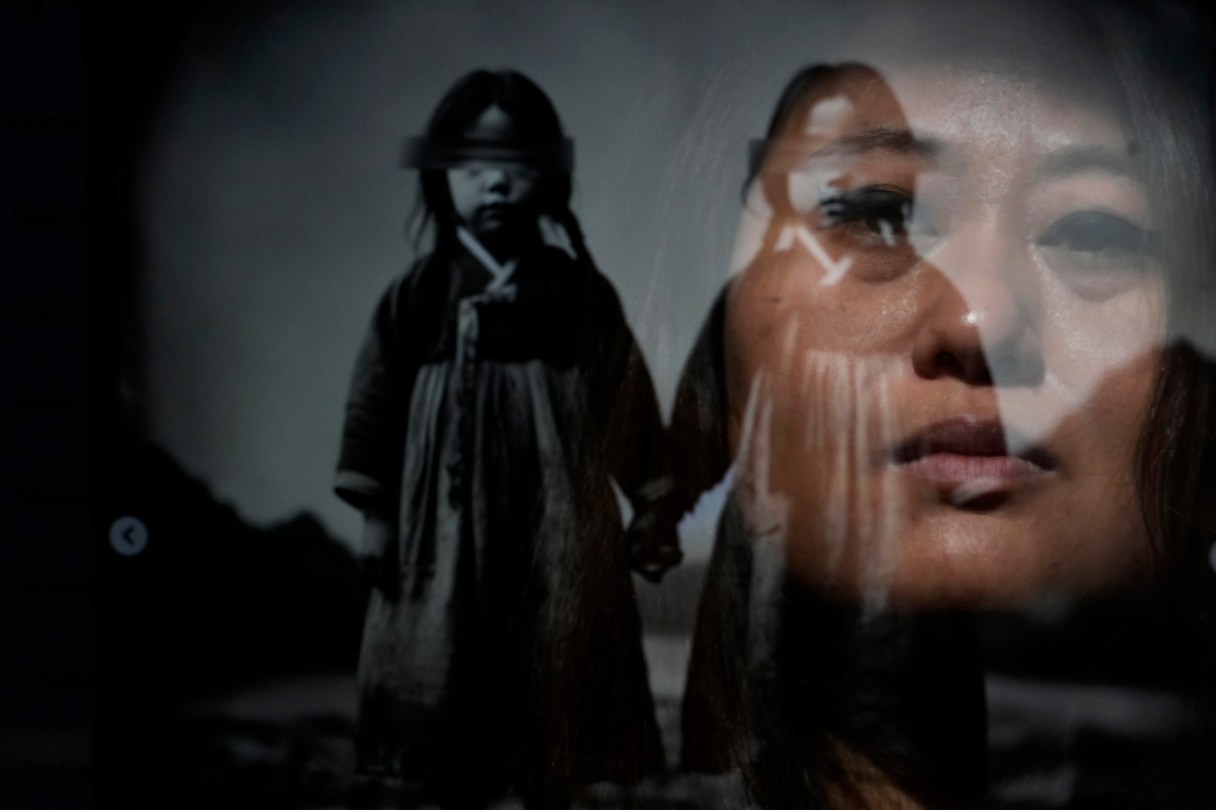
SEOUL, South Korea (AP) — Rebecca Kimmel sat in a small room, stunned and speechless, staring at the baby photo she had just unearthed from her adoption file.
It was a black-and-white shot of an infant, possibly taken at an orphanage in Gwangju, the South Korean city where Kimmel had heard all her life that she’d been abandoned. But something about the photo — the eyes, the ears, an uneasy feeling deep in her gut — confirmed what she’d long suspected: This baby was not her.
Overcome, she started howling like a strange, wounded animal. This photo meant that the stories she had been told about herself were a lie. So who was she? Who IS she?
Thousands of South Korean adoptees are looking to satisfy a raw, compelling urge that much of the world takes for granted: the search for identity. Like many of them, Kimmel has stumbled into a web of switched photos, made-up stories and false documents, all designed to erase the very identity she desperately wants to find.
These adoptees live with the consequences of a tacit partnership by the South Korean government, Western nations and adoption agencies that has supplied some 200,000 children to parents overseas, despite warnings of widespread fraud.