
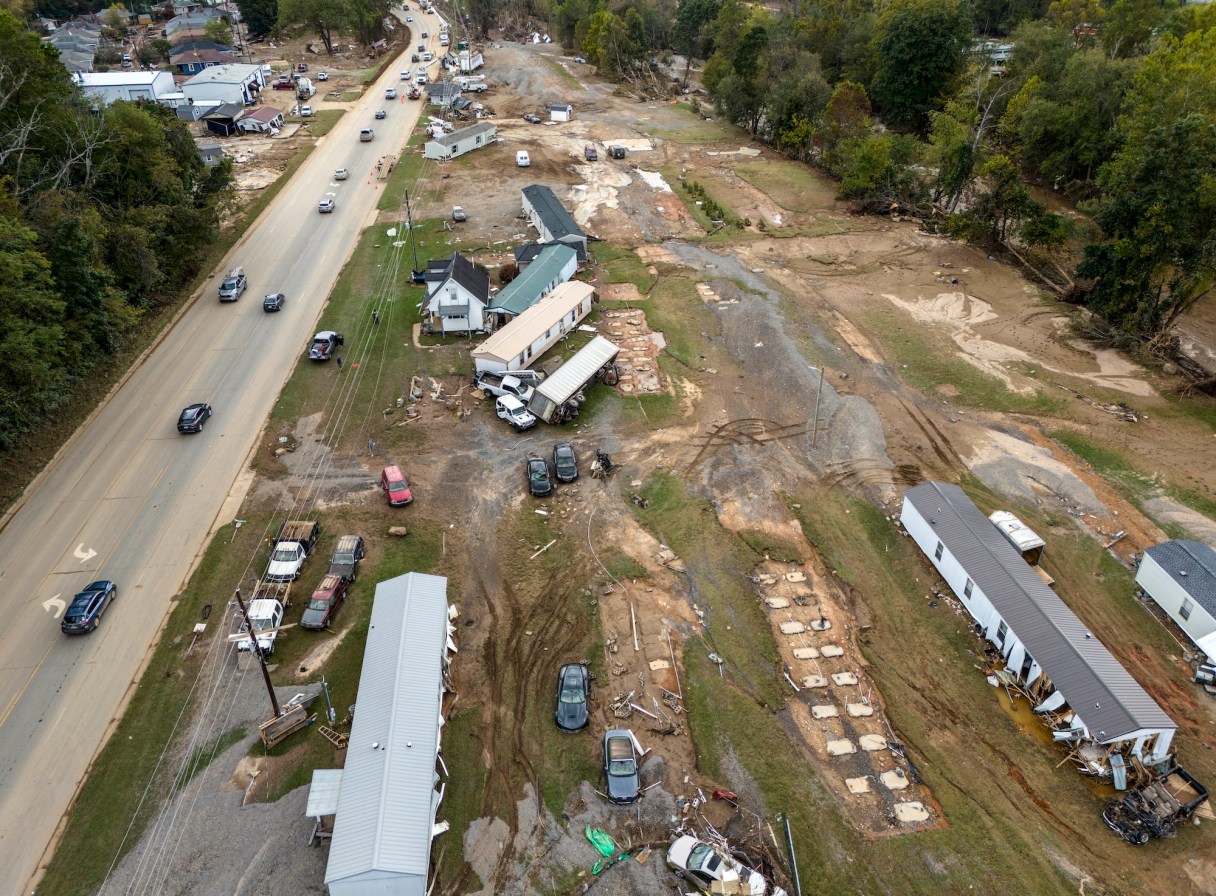
In the wake of Hurricane Helene, western North Carolina is facing what officials are calling “biblical devastation.” Entire communities washed away. A whole region physically and digitally isolated from the rest of the state, with most roads completely impassable. No power or water, and no cell service to contact loved ones or call for help.
What we do know is devastating. What we don’t yet know is terrifying. It’s worse than most anyone could have imagined. And it’s times like these that we recognize the value of good government, as local, state and federal agencies work tirelessly to provide a lifeline to flood victims.
President Joe Biden quickly approved a federal “major disaster declaration” that expedites aid to affected areas. That includes providing grants for temporary housing and home repairs and reimbursing local governments, state agencies and nonprofits for repairing facilities, roads and other infrastructure. The National Guard, deployed by North Carolina Gov. Roy Cooper, has completed more than 100 rescue operations in western North Carolina in recent days. In addition to search and rescue, troops have worked to deliver critical supplies and restore damaged infrastructure. North Carolina Emergency Management is helping people locate loved ones, and local governments and public universities have stepped up to provide shelter, power, food and water to those in need.
There are, of course, challenges. How do you reach people who need help when so many roads and highways are completely washed away? How do you know who’s in trouble when they can’t pick up the phone and dial for help? How do people know that help is available if they have no internet access?
But help is out there — and yet there are too many elected officials who want to dismantle the very things that are helping people right now.