
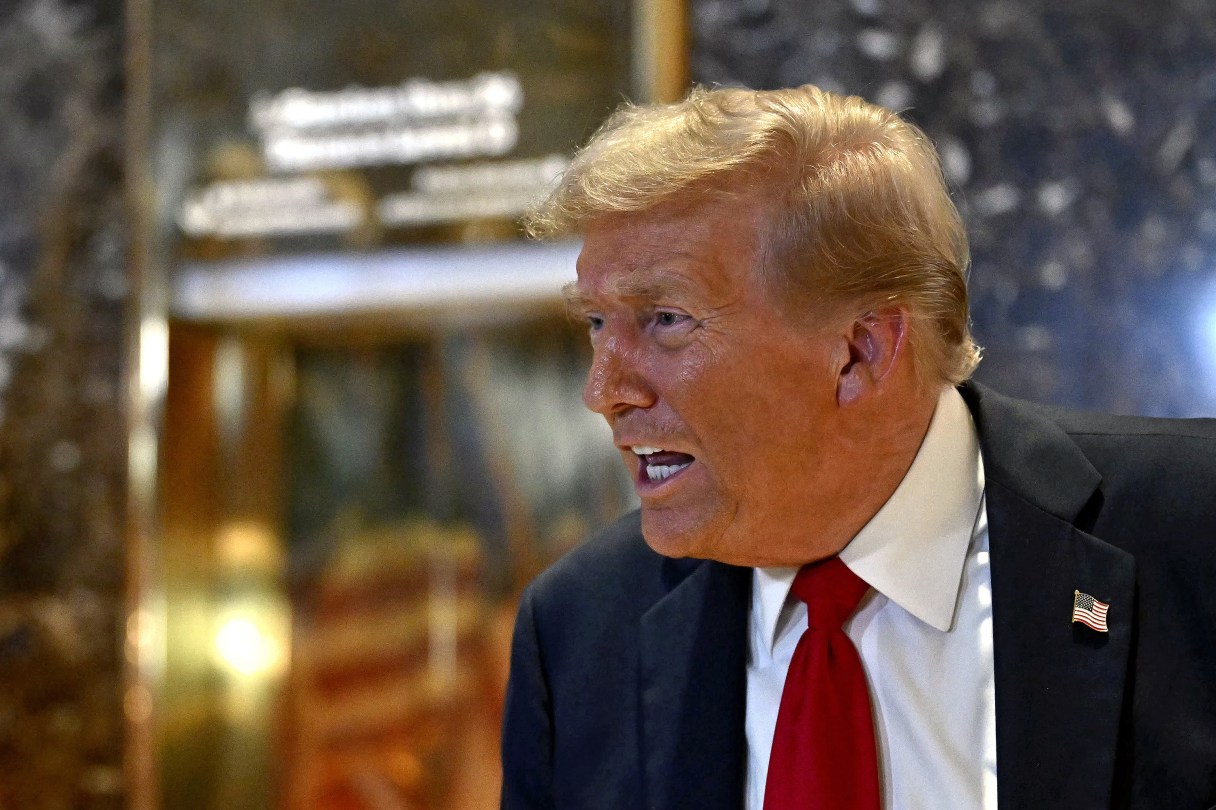
Many in the real estate industry look back fondly on Donald Trump’s first administration, including big corporate tax cuts and a developer-friendly tax incentive to induce investment in low-income areas.
Trump’s second presidency could see a renewal of his signature tax cuts. He’s pledged to reduce regulations, and the billionaire real estate mogul campaigned on opening federal lands for housing development.
But some of Trump’s proposals also could exacerbate inflation and increase construction and financing costs and bring uncertainty to an industry that is often averse to it. Trump’s reported plans to get rid of tax credits for electric vehicles could hurt the automotive transition to electrification, a major driver of growth in manufacturing employment and industrial real estate in some states, such as Georgia.
“There’s definitely going to be some pros and some cons,” said Lonnie Hendry, chief product officer at data firm Trepp. “We’ve kind of hit a point where we feel like (interest) rates have stabilized and people know what’s going to happen, but now you insert Trump into the equation. That’s a new variable.”
Commercial real estate comprises most development types outside of single-family homes. From high-rise offices to strip malls to warehouses, the industry’s scope is far-reaching. Commercial properties are also critical to the tax bases of cities, counties and school districts.