
JACKSONVILLE, Fla. — Greg McGarity had reason to be concerned.
As the president of the Gator Bowl, he kept a watchful eye on College Football Playoff scenarios all season and understood the fallout might affect his postseason matchup in Jacksonville.
What if the Southeastern Conference got five teams into the expanded CFP? What if the Atlantic Coast Conference landed three spots? It was a math problem that was impossible to truly answer, even into late November.
Four first-round playoff games, which will end with four good teams going home without a bowl game, had the potential to shake up the system. The good news for McGarity and other bowl organizers: Adding quality teams to power conferences (or moving them from one of those leagues to another) managed to ease much of the hand wringing as Oregon (which exited the deflated Pac-12 to give the Big Ten a whopping 18 football teams), SMU (American Athletic Conference to the SEC) and Texas (Big 12 to the SEC) all made the first 12-team edition of the Football Bowl Subdivision’s national championship event.
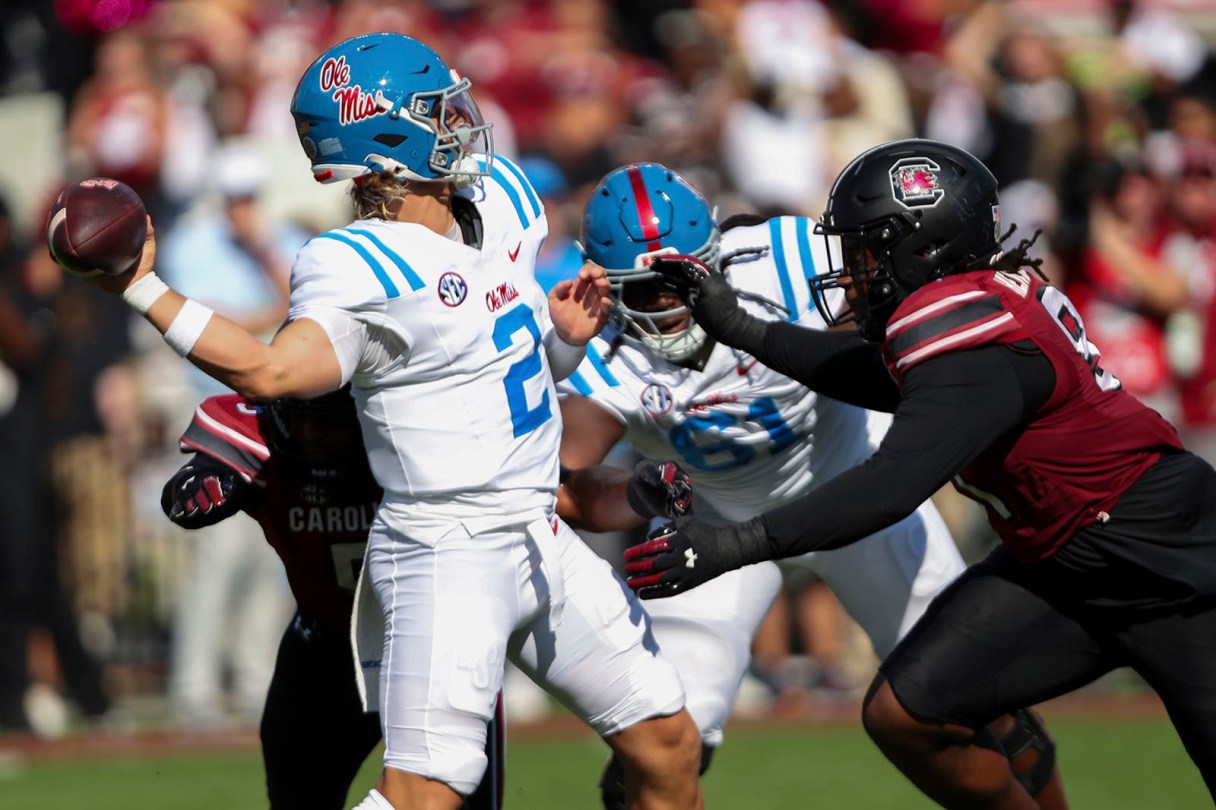
McGarity and the Gator Bowl ended up with their highest-ranked team in nearly two decades as Ole Miss — No. 16 in this week’s AP Top 25 after contending for a spot in the SEC title game and the College Football Playoff into November — will take on ACC member Duke in a pairing of 9-3 teams on Jan. 2 at EverBank Stadium.