
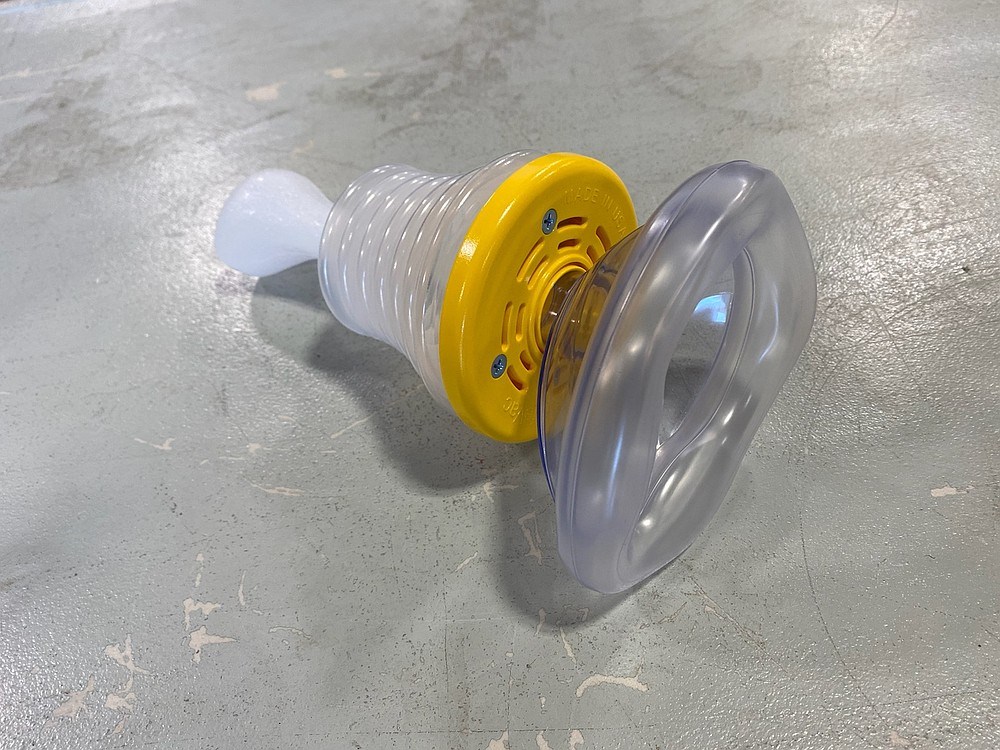
On Oct. 12, 2023, Hamilton County officials announced plans to place an antichoking device called the LifeVac on nearly 1,000 vehicles used by first responders, ultimately purchasing 1,060 kits at a cost of $37,100.
Two months later, on Dec. 4, 2023, the then-deputy director of Hamilton County Emergency Medical Service, Wade Batson, sent an email to local fire departments and emergency agencies notifying them that the LifeVac would be pulled from service.
That day, Tennessee’s clinical issues committee had ruled that, since the device was only registered with the U.S. Food and Drug Administration and not approved by that agency, its use was not allowed by medical first responders, Batson said.
“This may change if FDA approval is obtained in the future,” Batson, who is now director of Hamilton County EMS, wrote in the message. “If you already have these devices on your units, they are to be removed from service immediately. Do not dispose of them, just let us know if you have any to be picked up. We will update you of any changes regarding this subject.”