
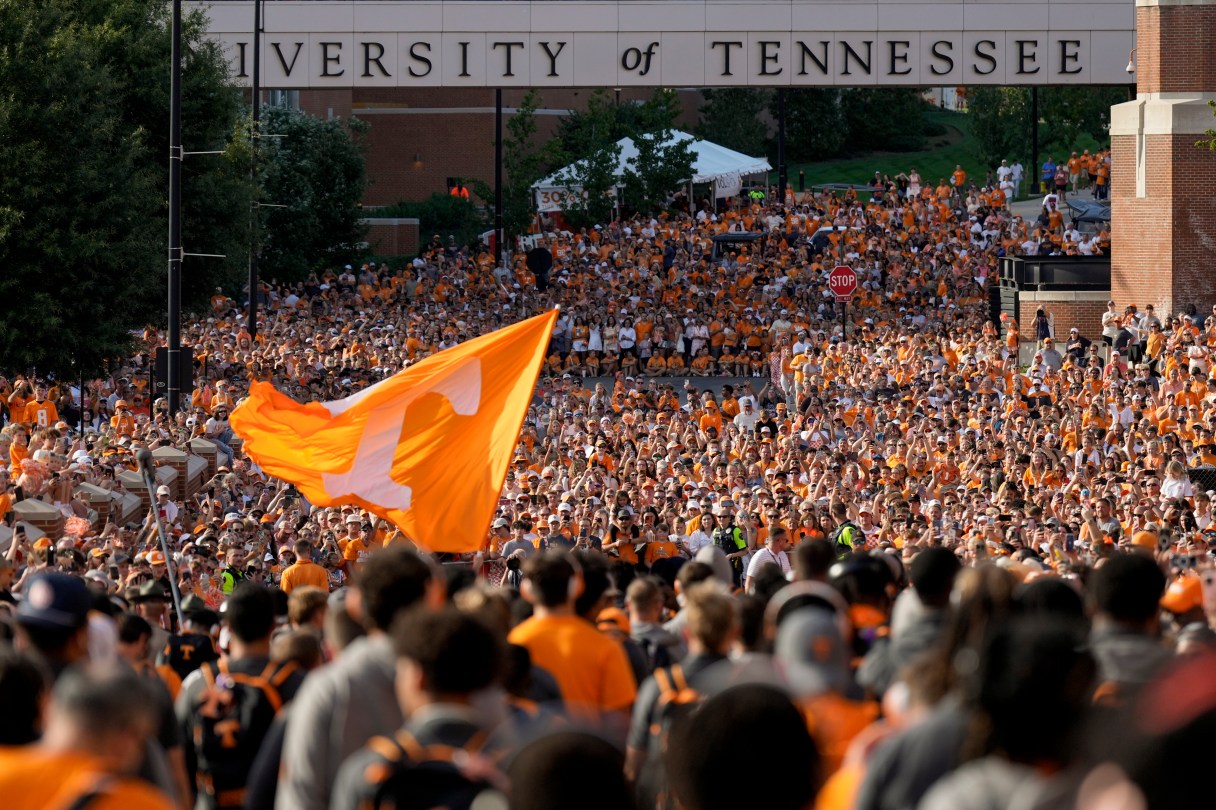
At Tennessee, they are adding a ‘talent fee’ to the price of sports tickets. At Arkansas, they will charge 3% more at the concessions stands. At Michigan and Michigan State, athletic directors sent letters alerting boosters that winning is going to start costing more. And, in a first, Clemson is going to start adding an athletic surcharge to tuition bills.
Winning at big-time college sports has never been free, but in a rapidly changing era in which players are allowed to earn money and be paid by their own schools, it has never been clearer that fans will be picking up a bigger part of the tab.
“College athletics hasn’t professionalized as much as I think it was capable of,” said Nels Popp, a University of North Carolina sports-business professor who believes most schools still rely on fans’ emotional, long-held school ties more than bottom-line marketing strategies. “And now, I think this is forcing them in that direction.”
When the NCAA reluctantly approved payments to players for use of their names, images and likenesses (NIL) in 2021, boosters who used to give to schools and their athletic departments started funneling money to collectives — independent organizations that raised the money and paid the athletes. Those collectives are becoming more and more closely linked to the universities.
Under terms of a $2.8 billion lawsuit settlement that is on track to take effect next year, the NIL deals will remain in full force and the schools themselves will be dealing with other multimillion-dollar changes to their bottom lines, including: