
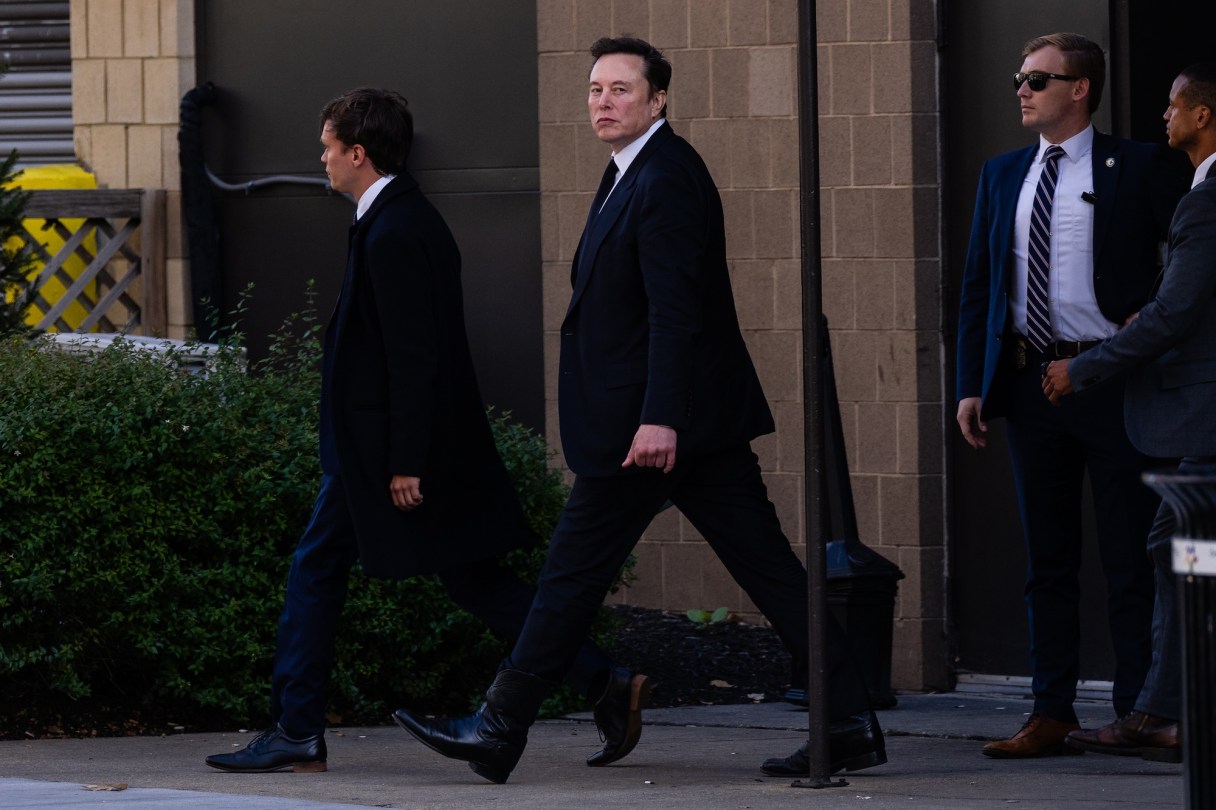
President-elect Donald Trump’s designated debt-busters, Elon Musk and Vivek Ramaswamy, last week wrote an op-ed in the Wall Street Journal providing the fullest accounting yet of their plans to cut “waste, fraud and abuse” – that most well-worn and oft-broken of political promises.
Indeed, an omission from the dynamic duo’s piece suggests that they – and Trump – may have already trimmed their ambitions: Musk and Ramaswamy made no mention of Musk’s previous boasts that he’d slash “at least” $2 trillion in a single year from the federal budget.
Yet neither did Musk and Ramaswamy disavow the $2-trillion promise. So it’s worth examining just why the goal is a mission impossible, and why the actions they say Trump will take are unlikely to significantly reduce federal debt. In fact, if we subtract Trump’s promised tax cuts from the projected revenue, annual deficits and the debt could well increase – just as they did during his first term, when his actions caused the national debt to balloon by $8.4 trillion over a decade.
A little fiscal math: The federal budget for the fiscal year that began Oct. 1 is $6.8 trillion. Musk proposed to cut 30% of that. Which would be hard enough if the whole amount were on the chopping block. But roughly three-quarters of the $6.8 trillion is either politically untouchable (especially Medicare and Social Security, which Trump has vowed to leave unscathed) or legally off-limits (interest on the debt).
That leaves just over a quarter of federal spending: $1.9 trillion in so-called “discretionary spending” that Congress controls annually through its budget process. But discretionary programs account for just about everything that the government does and that Americans expect it to do – including domestic spending and funding the military.