
(Editor’s note: first in a series)
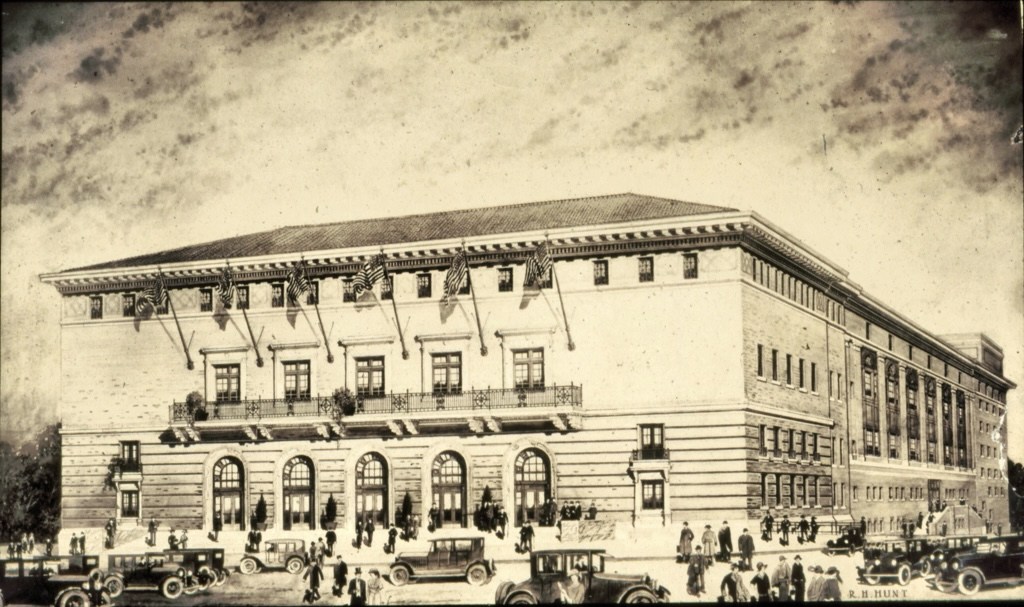
An April 1926 edition of the Chattanooga News posed the question: “What is the Little Theater of Chattanooga?” and then answered its own query. It explained that many people thought the Little Theater should have a smaller stage and auditorium than that at the Soldiers and Sailors Memorial Auditorium. Its organizers were originally thought to be charged with providing simply a location for lectures and civic meetings, but the reporter wrote that was not the purpose of the three-year-old Little Theater. His article elaborated: “The Little Theater is not a place; it has no affiliation with the Memorial Auditorium. It is an organization … a body of men and women devoting itself exclusively to the production of fine, clean plays, with casts of characters chosen from among Chattanoogans.”
How did the Little Theater — today over 100 years later affectionately known as the Chattanooga Theatre Centre — begin?
As told through historical documents, the idea took hold in New York City on a cold, wintry night. A group of artists and writers met in a small bookshop to talk about the “trend of the times in stagecraft, literature and other phases of culture.” On that blustery evening, the conversation turned to the stage and centered on a collective frustration that producers were most often motivated by ticket receipts, with little thought to the “native genius of young and old Americans.” By the time the group left that evening, it had decided to start a theater guild that would produce “good plays with amateur actors and amateur direction,” and give the current theater scene some healthy competition.
From the creation of The Theater Guild of New York came a national movement, with hundreds of cities and towns organizing their own houses. A Little Theater movement began as a renaissance that encouraged writers, actors and individuals with aspirations of directing to step forward and capture their dreams while maintaining their “other lives.”