
(Editor’s note: second in a series)
By 1927, The Little Theater of Chattanooga had staged a variety of plays, both commissioned and by rights purchased, and had moved to a permanent location at East Eighth Street and Park Avenue, a former firehall. With a few thousand dollars, the building was converted into a playhouse “having both the facilities and charm enjoyed by Little Theater groups in many other cities.”
The new theater demonstrated community leaders’ support for the arts, especially live theater productions. The location added to the site’s appeal as it was only one block from McCallie Avenue, with ample parking space.
The new theater featured a main hall with seating for more than 300 patrons and a large stage. Additionally, at the rear of the structure was an enclosed court that the board had covered to serve as both a construction and storage workshop for scenery. The former stables surrounding the courtyard were repurposed as dressing rooms for the “Little Theater Players,” as the cast members were now known.
Once the renovations were completed, the board planned that six productions would be staged each year with five or more performances each. As the membership roll increased, Chattanooga’s theater added “numerous play readings” for audiences, a feature which would allow more patrons interested in drama to participate in a way that demanded less time and commitment.
Structural improvements were made to the firehall, supervised by J. Kent Boyd, with the financial support of trustees and “cordial cooperation” of Mayor Richard Hardy and Commissioners Ed Herron, Fred Frazier, Ed Bass and Eugene Bryan who were “quick to see the civic value and importance of the Little Theater.” They had previously approved a minimal rent that could be applied against a later purchase price.
Theater members made donations of cash and construction materials. Architect C.E. Bearden offered to create the plans without charge, including preparation for a balcony, seating 100, that could easily be added later. It was a popular project as noted by one theater member, who wrote: “I should have been offended, I think, if you had not given me this privilege of feeling that I had a hand in the actual building of our Little Theater playhouse.”
Once the remodel was completed and more plays had been successfully staged, the board felt it would be on a “firm footing” to “exercise its option to buy the firehall building outright from the city.” Since the theater no longer had the expense of renting professional stages for both rehearsals and performances, officers compiled the necessary funds quickly and reimbursed the individuals whose “faith in the continued growth of the movement” had been evidenced by financing the original firehall lease and improvements.
Board President S.R. Smith and members J. Kent Boyd, E.Y. Chapin, J.J. Mahoney and others calculated the number of memberships that could be supported. Beginning in late spring 1927, each membership would have two tickets to each play, with a total of 600 memberships available. More than 300 charter memberships had been renewed each year since the formation. And, the 1927 offerings proved very attractive, including “Arms and the Man,” “A Bill of Divorcement,” “The Show Off” and “The Taming of the Shrew.”
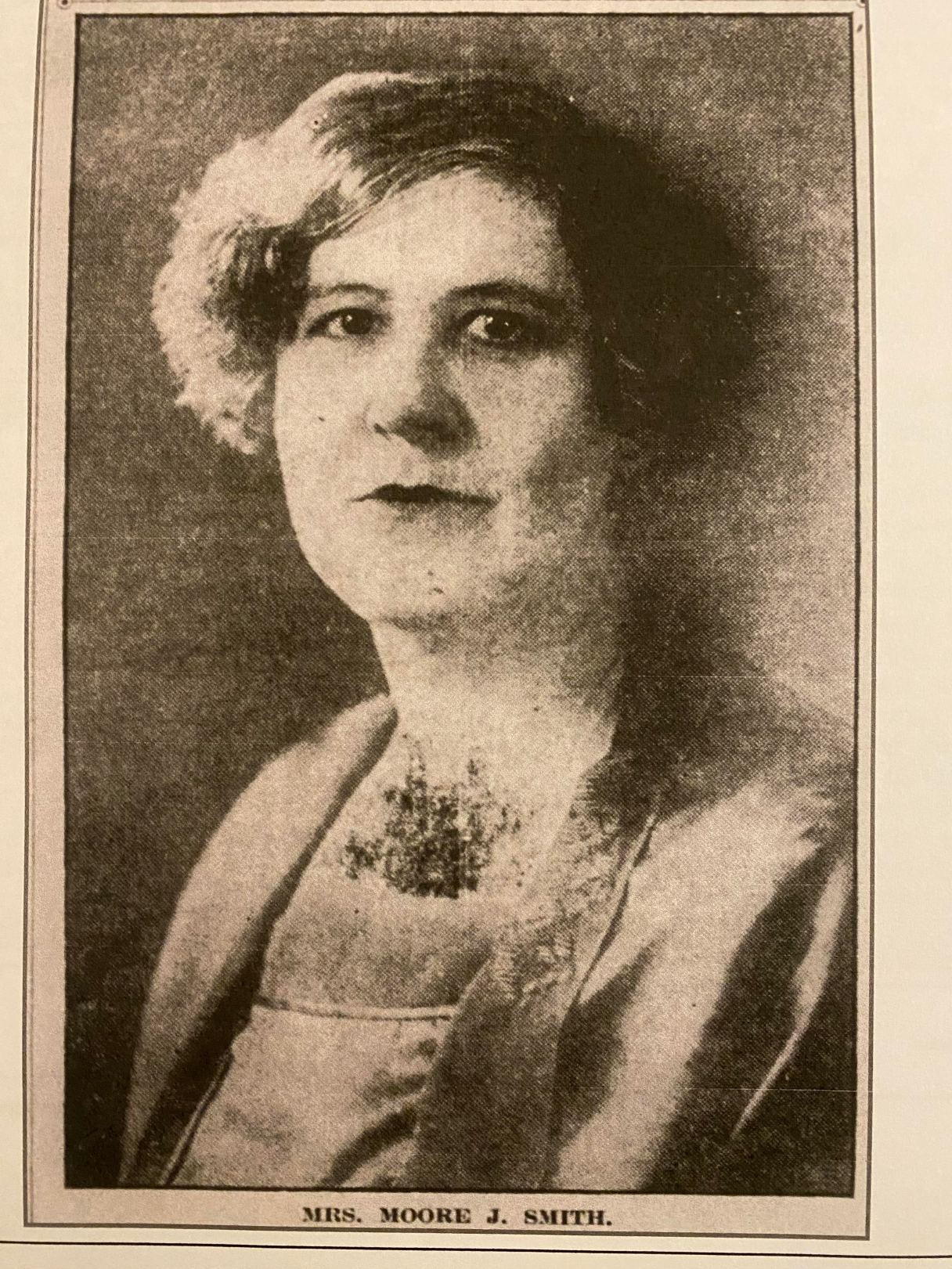
The season began with “Sun Up,” written by Luis Vollmer and often compared to the “work of Eugene O’Neill.” While Vollmer had been an unknown author when the play first premiered, the “deftly drawn, black and white portrait of humanity as it exists in the remote fastnesses of Southern hills … with hates and loves that are intense, but superficially calm and unemotional” appealed to Chattanooga audiences. The cast, most taking to the stage for the first time, was led by Mrs. Moore J. Smith in the role of Widow Cagle. Other actors included Kenneth G. Whitaker, E.A. Andrews, Miss Vashti Ault, Robert Clift, Archie McDonald, Wilbur F. Reynolds, Frank T. Meacham and Doyle Baisden.
New areas of volunteerism coupled with on-the-job training resulted in excitement. The fields of scene designing and scene building along with costuming, staging and technical lighting would offer avenues to use the “imaginative genius of Chattanoogans.” The Little Theater of Chattanooga would become a school where “actors, playwrights, painters, stage decorators and students of allied crafts” could contribute and enhance their gifts. Their pay: the audiences’ pleasure and perhaps a path to a profession.
The mayor and city commissioners acknowledged another reason for supporting the theater — advertising value. Chattanooga’s social, educational and artistic features were a perfect counter-balance to its factories, furnaces, railroads and industrial products.
Linda Moss Mines is the Chattanooga and Hamilton County historian. For more on local history, visit Chattahistoricalassoc.org.