
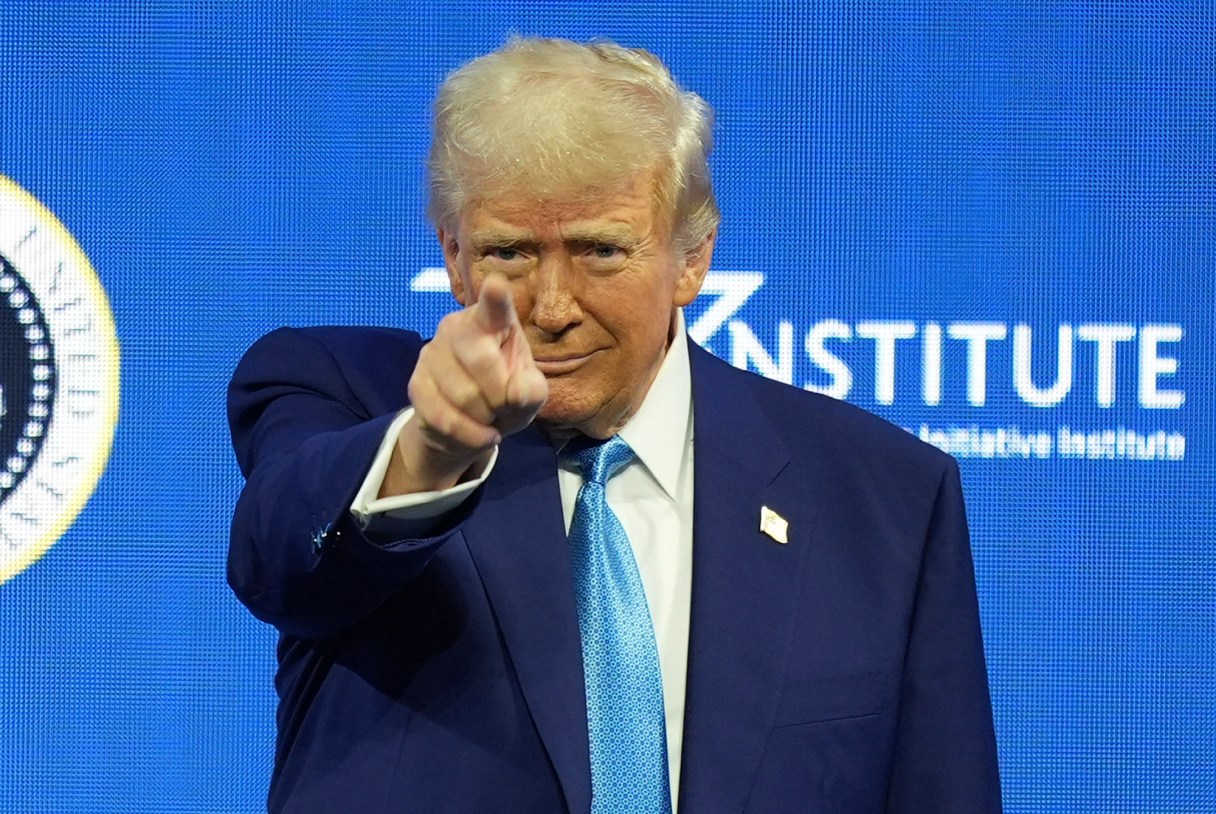
President Donald Trump’s second term dizzies many Americans, but I find it oddly familiar – an echo of the time I lived in China as a reporter.
Americans sometimes misperceive Trump’s actions as a fire hose of bizarre and disparate moves, a kaleidoscope of craziness. Yet there is a method to it, and I’ve seen parallels in authoritarian countries I’ve covered around the world over the past four decades.
It’s not that I offer a unified theory of Trumpism, but there is a coherence there that requires a coherent response. Strongmen seek power – political power but also other currencies, including wealth and a glittering place in history – through a pattern of behavior that is increasingly being replicated in Washington.
But let’s get this out of the way: I think parallels with 1930s Germany are overdrawn and diminish the horror of the Third Reich; the word “fascism” may likewise muddy more than clarify. Having covered genuinely totalitarian and genocidal regimes, I can assure you that this is not that.
When authoritarians covet power, they pursue several common strategies.