
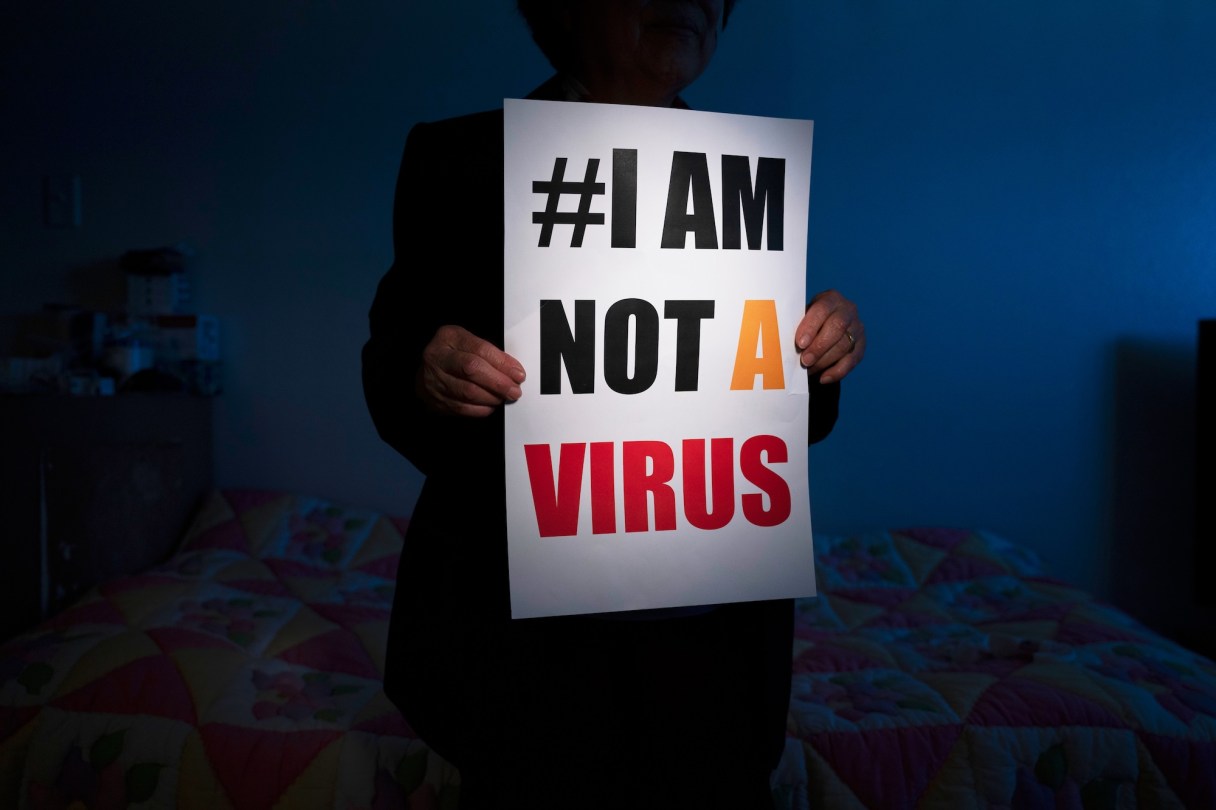
Up until 2020, Anna Wong had gone her entire adulthood in Los Angeles without ever facing blatantly racist abuse for being Asian. After COVID-19 hit, she was accosted twice in six months.
The first time, she was browsing an aisle in Bed Bath & Beyond when a white, 30-something woman suddenly yelled: “Six feet away from me, you Chinese witch!” A shaken Wong left the store, the woman still yelling after her. The second time, Wong was walking her dog when a passenger in a car — a young Hispanic man — screamed at her “Thanks for ruining the world,” followed by an ethnic slur.
“The first, second year of the pandemic, I do distinctly remember thinking … I was very nervous to go out,” said Wong, who did not report the incidents to police. “Am I going to draw attention to the fact that I’m Asian?”
It seemed unfathomable she was facing such anti-Asian vitriol nearly a century after her aunt, pioneering movie star Anna May Wong, dealt with constant racial discrimination.
It was five years ago this month that pandemic-fueled abuse of Asian Americans and Pacific Islanders became so frequent — reports spiked 35% from March 2020 to the end of 2021 — that a reporting center was formed. Stop AAPI Hate legitimized fears of a concurrent pandemic of xenophobia. The group’s data prompted national legislative action, including the COVID-19 Hate Crimes Act, and galvanized advocacy among young people within the Asian American community.