
The phrase “undocumented immigrant” is deeply misleading, if not outright inaccurate. It implies that there is a mass of people in the U.S. who essentially live off the grid, apart from society, existing only in informal economies and off-the-book transactions. In fact, immigrants who lack permission to be in the U.S. are enmeshed in society with plenty of formal and official documents to their name, from tax returns to mortgages.
No, immigrants haven’t figured out how to circumvent the rules. The reality is that the system encourages people coming to America seeking a better life to participate in society to the fullest extent possible, which is in the country’s best economic interests even if they don’t have permission to be here. And that means paying taxes – lots of them. The Institute on Taxation and Economic Policy estimated in July that this group paid almost $100 billion in federal, state and local taxes alone in 2022.
President Donald Trump’s slash-and-burn immigration policy involves deporting most, if not all, of the 11.7 million undocumented immigrants the Center for Migration Studies estimates are living in the U.S. What the administration probably doesn’t realize is that this policy will, in fact, become a sort of self-fulfilling prophesy by pushing this group off the grid, turning the undocumented in name into the undocumented in reality.
The clearest illustration of how inaccurate the “undocumented” epithet comes from the tax system. The most obvious is that as consumers they pay sales taxes on the goods and services they buy. According to the Institute on Taxation and Economic Policy, this amount is estimated to be $15.1 billion. That’s less than the $13.2 billion Congress sent to states for the Elementary and Secondary School Emergency Relief Fund in the CARES Act at the start of the pandemic.
Not only that, but the estimated 8.3 million undocumented immigrants that work pay more than twice that – $33.9 billion – in payroll taxes toward Social Security, Medicare and Unemployment Insurance.
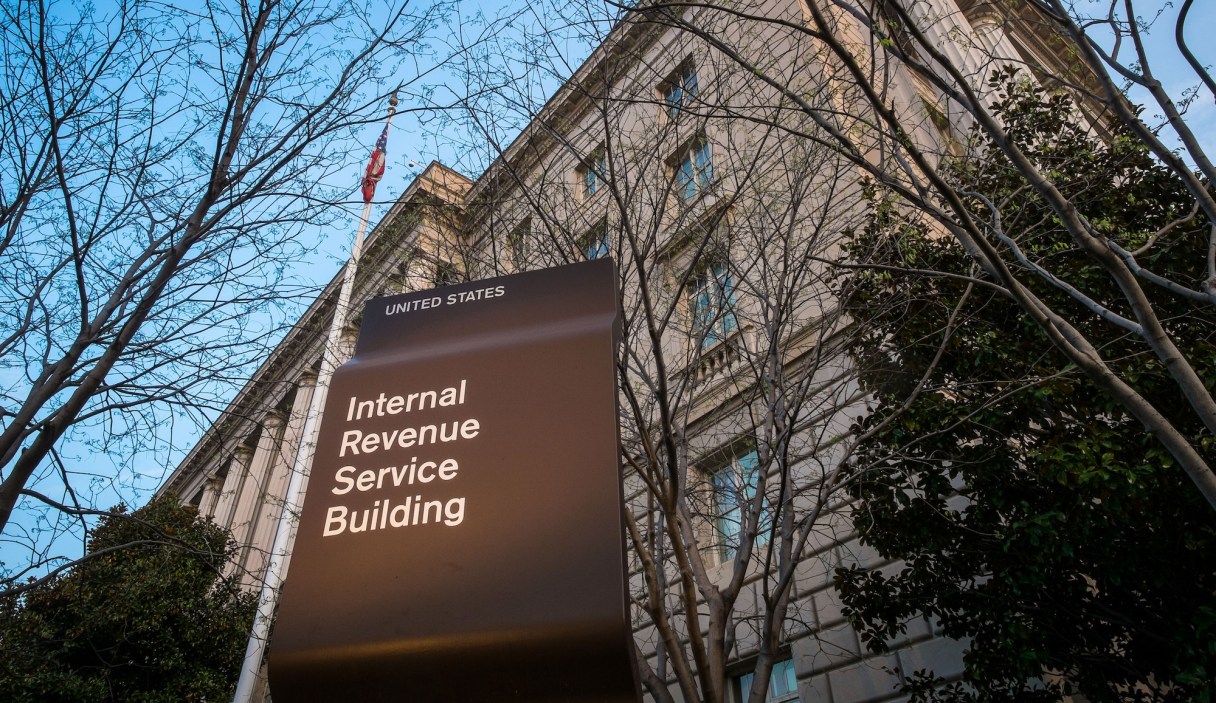
And – surprise – undocumented immigrants pay federal income taxes. Some of this comes from automatic withholding, but the government has also issued 5.2 million active ITINs, or Individual Tax Identification Numbers that the Internal Revenue Service issues to people filing a tax return who are not U.S. citizens and who are not eligible for a Social Security number. This amount totaled upwards of $20 billion last year, which is the amount the government spends on the National School Breakfast and Lunch programs.
ITINs can also be used to obtain a driver’s license, bank account or mortgage, among other things. Speaking of mortgages, undocumented immigrants have high enough homeownership to pay $10 billion in property taxes a year.
All these tax dollars put into perspective how laden with documents the undocumented are.
Perhaps not since the Eisenhower administration’s infamous “Operation Wetback,” which relied on mass raids and roundups to deport more than a million individuals to Mexico in 1954, have Americans been forced to reconcile their undecided views on immigration. Polling firm Ipsos recently found that two-thirds of Americas supported deportation, but none of the actual policies that would achieve it, such as using the military.
Isolating almost 12 million residents will cost the U.S. more than most realize, as the more immigrants withdraw from society’s norms, the harder those norms are to uphold. Here’s hoping that those costs may finally push Congress to pass actual, meaningful immigration reform.