
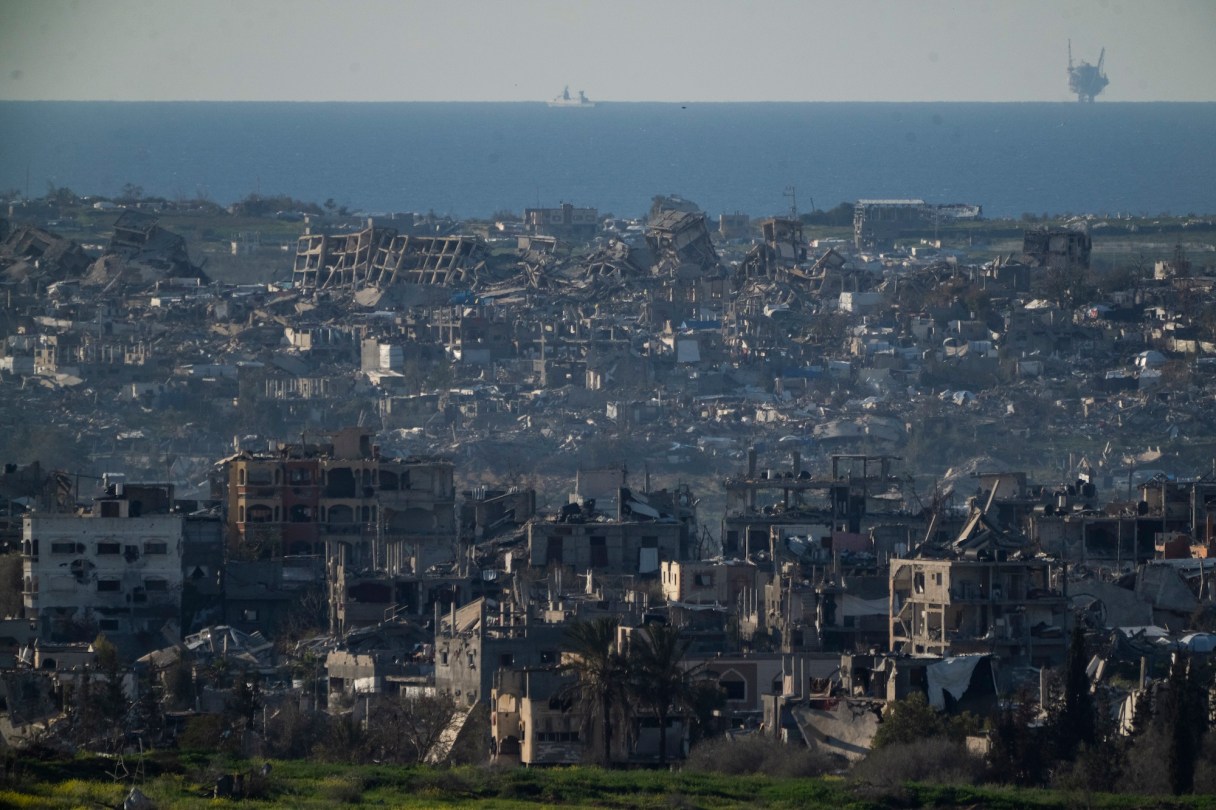
Israel this week introduced what it said was a new U.S. ceasefire plan — different from the one it agreed to in January — and is trying to force Hamas to accept it by imposing a siege on the Gaza Strip.
Prime Minister Benjamin Netanyahu referred to it as the “Witkoff proposal,” saying it came from U.S. President Donald Trump’s Mideast envoy, Steve Witkoff. But the White House has yet to confirm that, saying only that it supports whatever action Israel takes.
Netanyahu’s remarks came a day after the first phase of the negotiated ceasefire ended, with no clarity on what would come next since the agreement’s second phase has not yet been hammered out.
The new plan would require Hamas to release half its remaining hostages — the militant group’s main bargaining chip — in exchange for a ceasefire extension and a promise to negotiate a lasting truce. Israel made no mention of releasing more Palestinian prisoners — a key component of the first phase.
Hamas has accused Israel of trying to sabotage the existing agreement, which called for the two sides to negotiate the return of the remaining hostages in exchange for more Palestinian prisoners, a full Israeli withdrawal from Gaza and a lasting ceasefire. But no substantive negotiations have been held.