
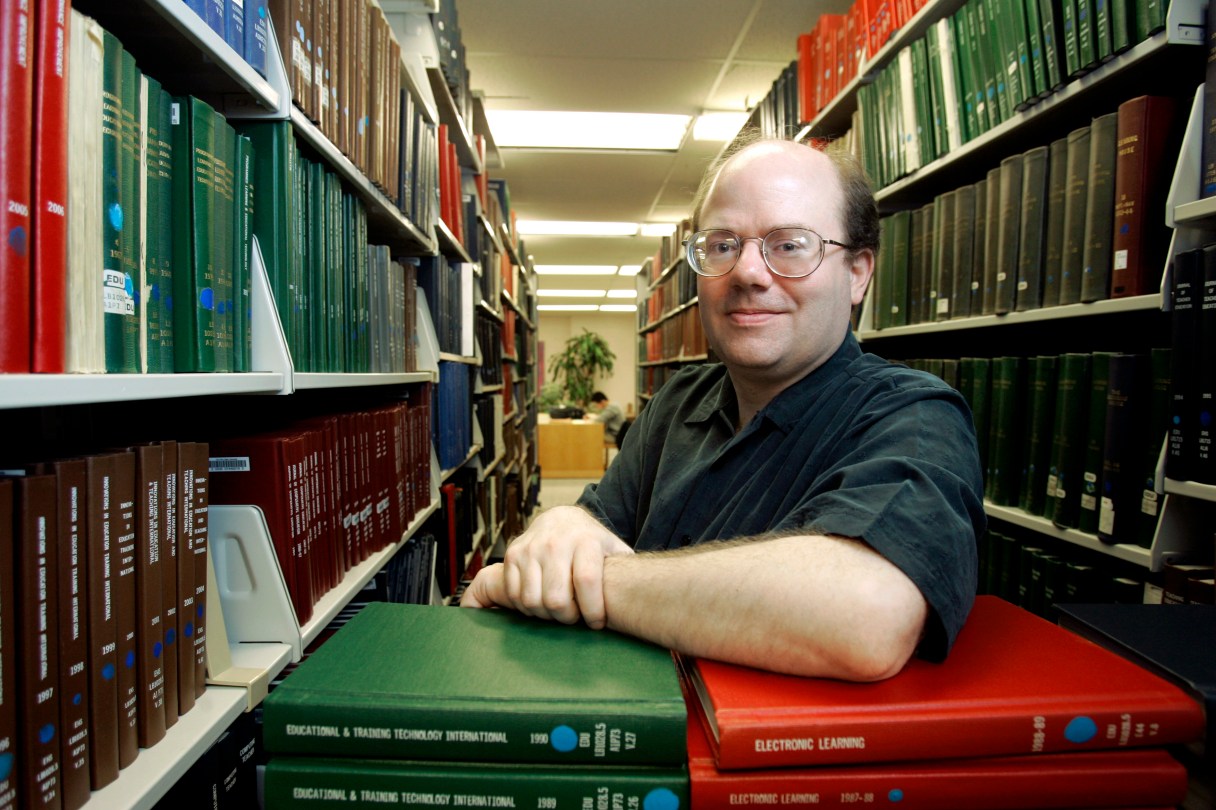
In February, Larry Sanger announced that he had come to Christ. We should rejoice when anyone becomes a Christian, but this conversion is especially interesting. Sanger, the co-founder of Wikipedia, is another in a notable line of skeptics who have recently become believers, or are well on their way to.
Sanger’s background makes him a seemingly unlikely convert. As he put it when describing his testimony:
“Throughout my adult life, I have been a devotee of rationality, methodological skepticism and a somewhat hard-nosed and no-nonsense (but always open-minded) rigor. I have a Ph.D. in philosophy, my training being in analytic philosophy, a field dominated by atheists and agnostics. Once, I slummed about the fringes of the Ayn Rand community, which is also heavily atheist. So old friends and colleagues who lost touch might be surprised.”
Sanger’s full story is worth reading. It is that of a highly intelligent man coming to terms with Truth after years of wandering through academia, famously penning skeptical blogs and essays about morality, good, evil, the West and God. At one time, Sanger decided to start reading the Bible, not to find God, but because he was “trained as a close reader of difficult texts,” and he wanted to “understand it properly.”
Like C.S. Lewis, another reluctant convert, Sanger found that the Bible could sustain the interrogation of all his critical questions. He slowly began experimenting with “talking to God” and reading through apologetic works that put God the Creator in the middle of even the more complex realities of the cosmos and science.