
Tuesday, November 3, 2026Nov 3

This story is free to read.

Eurozone inflation falls to lowest level this year

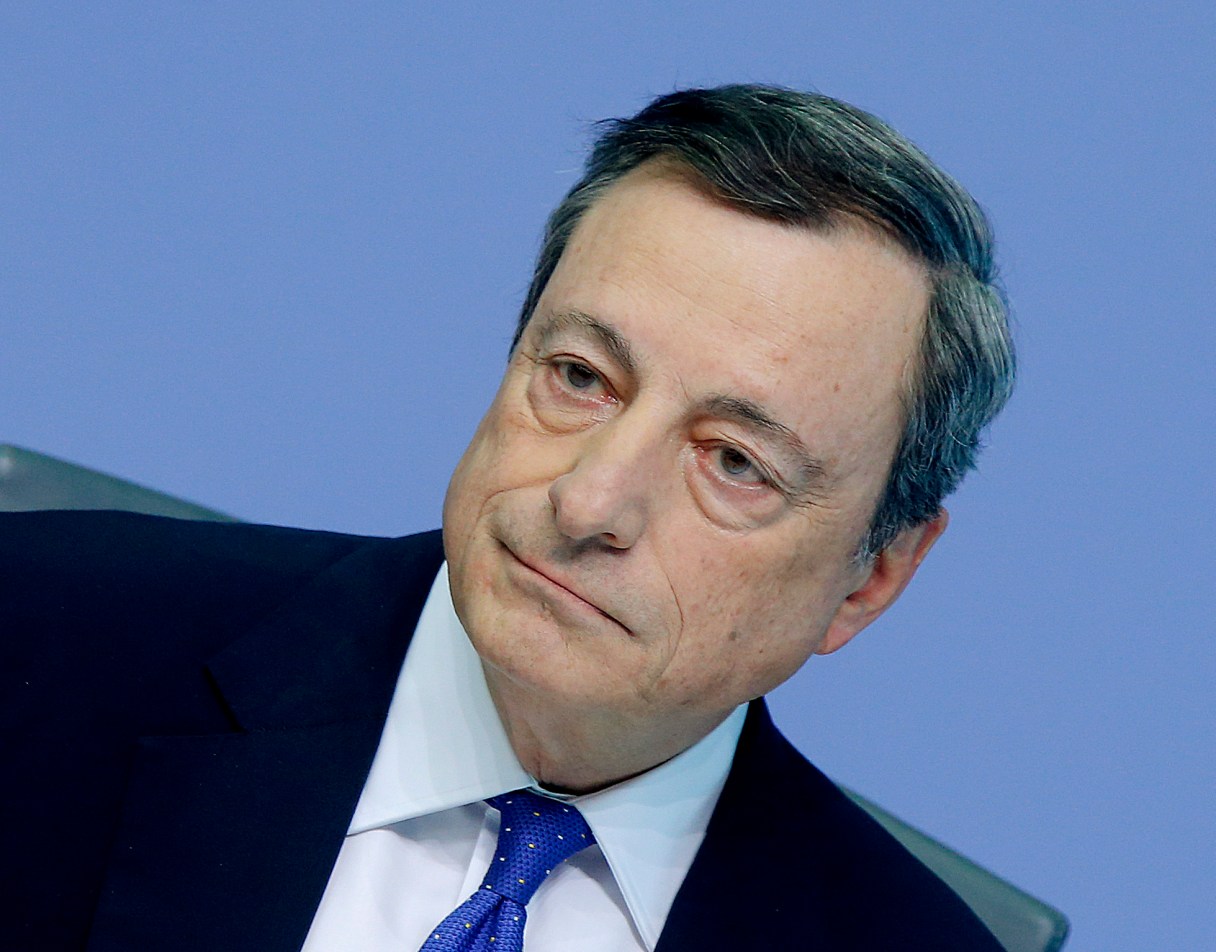
FILE - In this April 27, 2017 file photo, President of the European Central Bank Mario Draghi attends a news conference in Frankfurt, Germany. The head of the European Central Bank says while the economy of the 19-nation eurozone is improving, it still needs substantial stimulus. At a parliamentary hearing Monday, May 29, 2017 in Brussels, Mario Draghi said "the economic upswing is becoming increasingly solid and continues to broaden across sectors and countries." (AP Photo/Michael Probst, file)
FILE - In this April 27, 2017 file photo, President of the European Central Bank Mario Draghi attends a news conference in Frankfurt, Germany. The head of the European Central Bank says while the economy of the 19-nation eurozone is improving, it still needs substantial stimulus. At a parliamentary hearing Monday, May 29, 2017 in Brussels, Mario Draghi said "the economic upswing is becoming increasingly solid and continues to broaden across sectors and countries." (AP Photo/Michael Probst, file) FILE - In this April 27, 2017 file photo, President of the European Central Bank Mario Draghi attends a news conference in Frankfurt, Germany. The head of the European Central Bank says while the economy of the 19-nation eurozone is improving, it still needs substantial stimulus. At a parliamentary hearing Monday, May 29, 2017 in Brussels, Mario Draghi said "the economic upswing is becoming increasingly solid and continues to broaden across sectors and countries." (AP Photo/Michael Probst, file)

BRUSSELS (AP) – Official figures show that inflation across the 19-country eurozone has fallen to its lowest level this year, in a development that may temper speculation that the European Central Bank will soon consider easing up on its monetary stimulus.

Eurostat, the EU’s statistics agency, said Wednesday that inflation fell to 1.4 percent in the year through May from 1.9 percent the month before.

The decline was slightly sharper than anticipated – the consensus was for a fall to 1.5 percent.

The ECB aims to have headline inflation at just below 2 percent.

A major reason why inflation fell was the decline in the core rate, which strips out the volatile items of alcohol, food, tobacco and energy. That slipped back to 0.9 percent from the previous month’s 1.2 percent.