
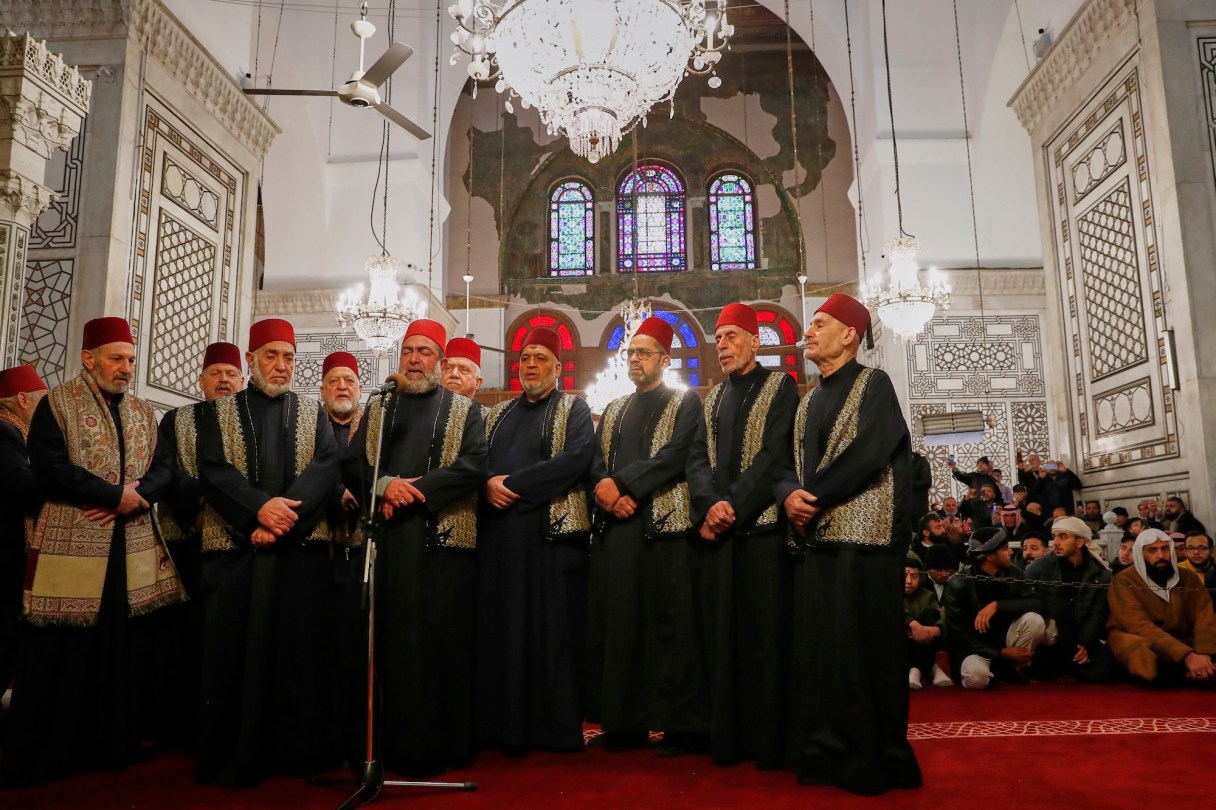
DAMASCUS, Syria (AP) — Sahar Diab had visited Damascus’ famed Umayyad Mosque previously. But as the Syrian lawyer went there to pray during her country’s first Ramadan after the end of the Assad family’s iron-fisted rule, she felt something new, something priceless: A sense of ease.
“The rituals have become much more beautiful,” she said. “Before, we were restricted in what we could say. … Now, there’s freedom.”
As Diab spoke recently, however, details were trickling in from outside Damascus about deadly clashes. The bloodshed took on sectarian overtones and devolved into the worst violence since former President Bashar Assad was overthrown in December by armed insurgents led by the Islamist group Hayat Tahrir al-Sham (HTS).
This Ramadan — the Muslim holy month of daily fasting and heightened worship — such are the realities of a Syria undergoing complex transition. Relief, hope and joy at new openings — after 53 years of the Assad dynasty’s reign, prolonged civil war and crushing economic woes — intermingle with uncertainty, fear by some, and a particularly bloody and worrisome wave of violence.
Some are feeling empowered, others vulnerable.