
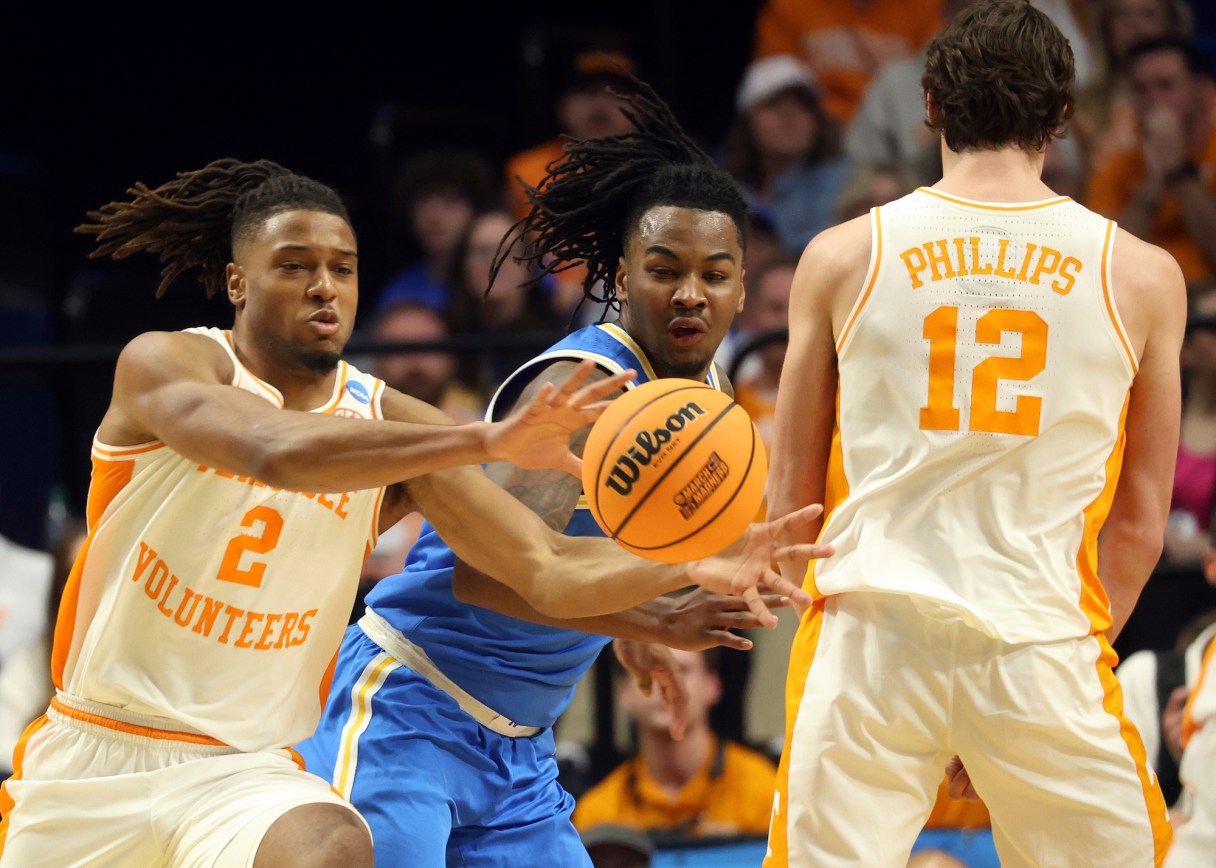
We’re in the midst of March Madness, and it’s not just everyone’s brackets that are busted. Since 2021, any fan can attest to college sports being flipped on its head, thanks to a landmark court case allowing student-athletes to profit off their name, image and likeness (NIL).
The court case, NCAA v. Alston, broke open the National Collegiate Athletic Association’s decades-long policy that imposed amateurship on college players, insisting that student-athletes were students first and could not be compensated, in any way, like a professional athlete would.
But now, student-athletes are able to profit off the athlete part. For example, the University of Texas’ Arch Manning – nephew of famed former NFL quarterbacks Peyton Manning and Eli Manning – has agreed to NIL deals worth over $3 million, The New York Times reported last summer.
The Chattanooga Times supports NIL for the long-deserved financial autonomy it gives to players. But compensation from name, image and likeness isn’t enough.
NCAA athletes – who are essentially employees for an industry that brings in annual revenues in the billions – should be paid directly, as any other worker would, by what is in effect their employer, the university or school they play for.