
Tuesday, November 17, 2026Nov 17

Milky Way’s chance of colliding with galaxy billions of years from now? New study puts odds at 50-50

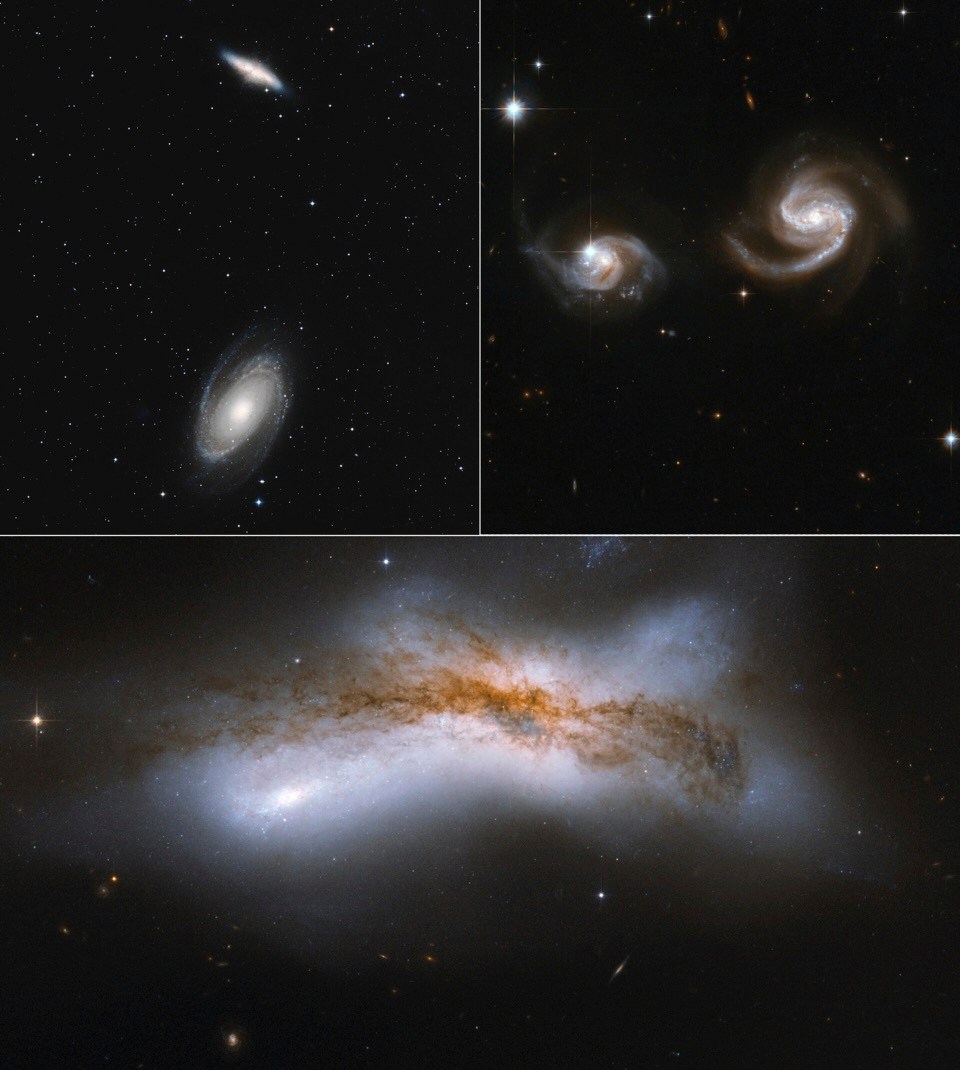
In this combination of images from NASA/ESA shows three future scenarios for Milky Way & Andromeda encounter. Top left: Galaxies bypass at 1 million light-year separation. Top right: At 500,000 light-years, dark matter provides friction that brings galaxies to a close encounter. Bottom: A 100,000 light-year separation leads to a collision. (NASA/ESA via AP)


CAPE CANAVERAL, Fla. (AP) — It turns out that looming collision between our Milky Way and Andromeda galaxies might not happen after all.

Astronomers reported Monday that the probability of the two spiral galaxies colliding is less than previously thought, with a 50-50 chance within the next 10 billion years. That’s essentially a coin flip, but still better odds than previous estimates and farther out in time.

“As it stands, proclamations of the impending demise of our galaxy seem greatly exaggerated,” the Finnish-led team wrote in a study appearing in Nature Astronomy.

While good news for the Milky Way galaxy, the latest forecast may be moot for humanity.