
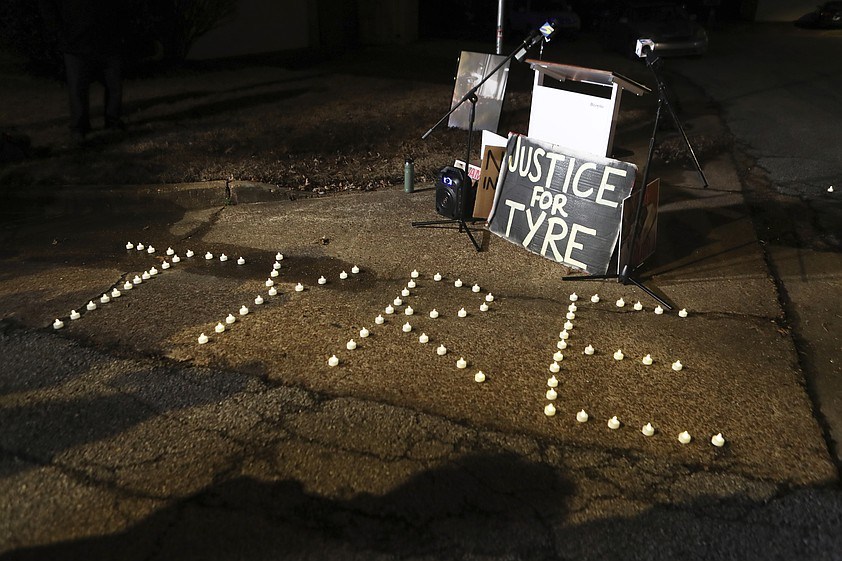
On Jan. 7, 2023, officers with the Memphis Police Department yanked Tyre Nichols, a 29-year-old Black man, from his car, pepper sprayed and tased him, chased after him following a struggle, and then kicked, punched and beat him with a baton. Ruled a homicide, Nichols died from these injuries three days later.
The killing of Tyre Nichols, perhaps the highest profile instance of police violence since George Floyd was murdered by a Minneapolis officer in 2020, showcases the all-too-common part of life for Black people in America. Like thousands of other Black Americans in the past decade and beyond, Nichols was a victim of police brutality.
But police brutality is just one cog in a broad criminal justice system that disproportionately levies punishment against Black people. Tyre Nichols — from when an officer opened his car door to the acquittal of three of his killers on second-degree state murder charges this month by a predominantly white Hamilton County jury — was a victim of what too few of us acknowledge exists: systemic racism.
The jury selection process in the Nichols case is just one example of this. After the officers’ lawyers argued a Memphis jury could not be impartial due to a horrifying video of the incident released to the public, the jury was selected in Hamilton County, where reporting from the Chattanooga Times Free Press shows juries often have tilted demographics.