
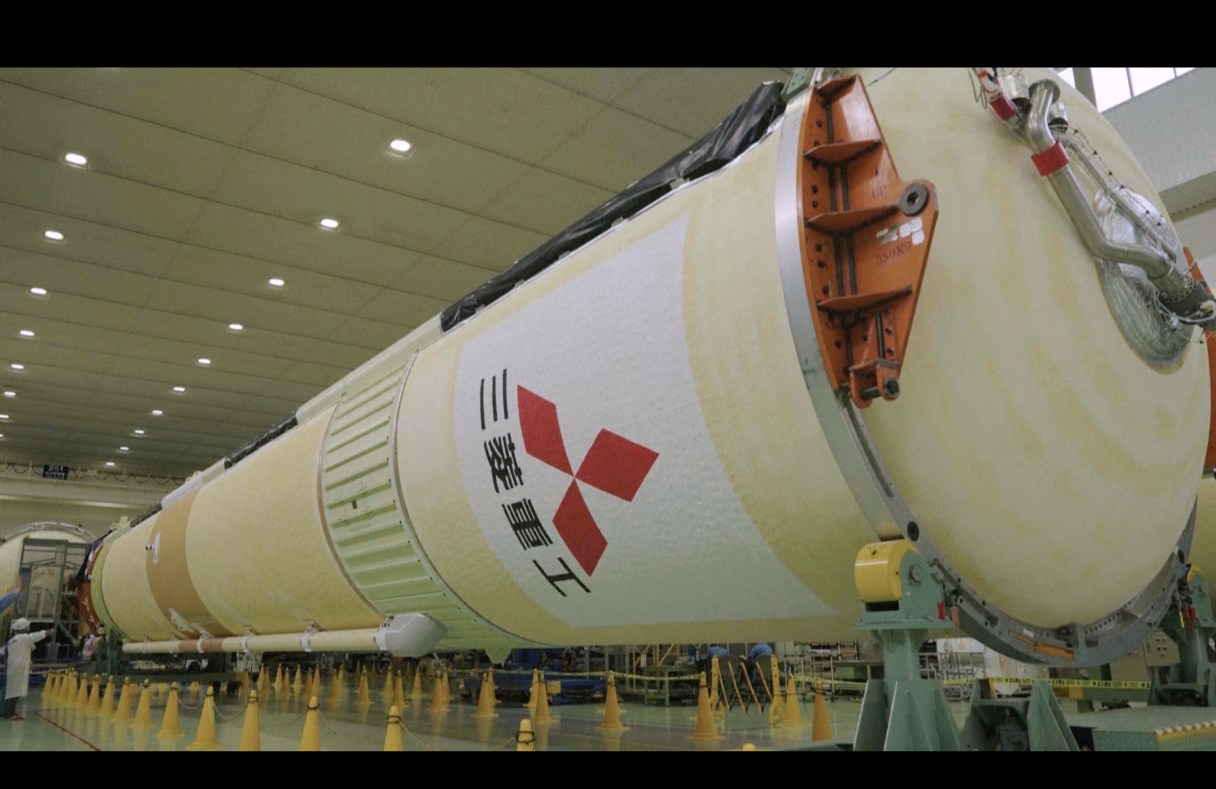
TOKYO (AP) — Japan on Sunday successfully launched a climate change monitoring satellite on its mainstay H-2A rocket, which made its final flight before it is replaced by a new flagship designed to be more cost competitive in the global space market.
The H-2A rocket lifted off from the Tanegashima Space Center in southwestern Japan, carrying the GOSAT-GW satellite as part of Tokyo’s effort to mitigate climate change. The satellite was released into a planned orbit about 16 minutes later.
The launch follows several days of delays because of malfunctioning of the rocket’s electrical systems.
Sunday’s launch marked the 50th and final flight for the H-2A, which has served as Japan’s mainstay rocket to carry satellites and probes into space with a near-perfect record since its 2001 debut. After its retirement, it will be fully replaced by the H3, which is already in operation, as Japan’s new main flagship.
“Even though our launches seemed stable, we have run into difficulties and overcome them one by one to come this far,” said Iwao Igarashi, senior general manager of the space systems division at Mitsubishi Heavy Industries, which operated launch services. “As we now move on to the H3 launch service, we will firmly keep up the trust we gained from H-2A.”