
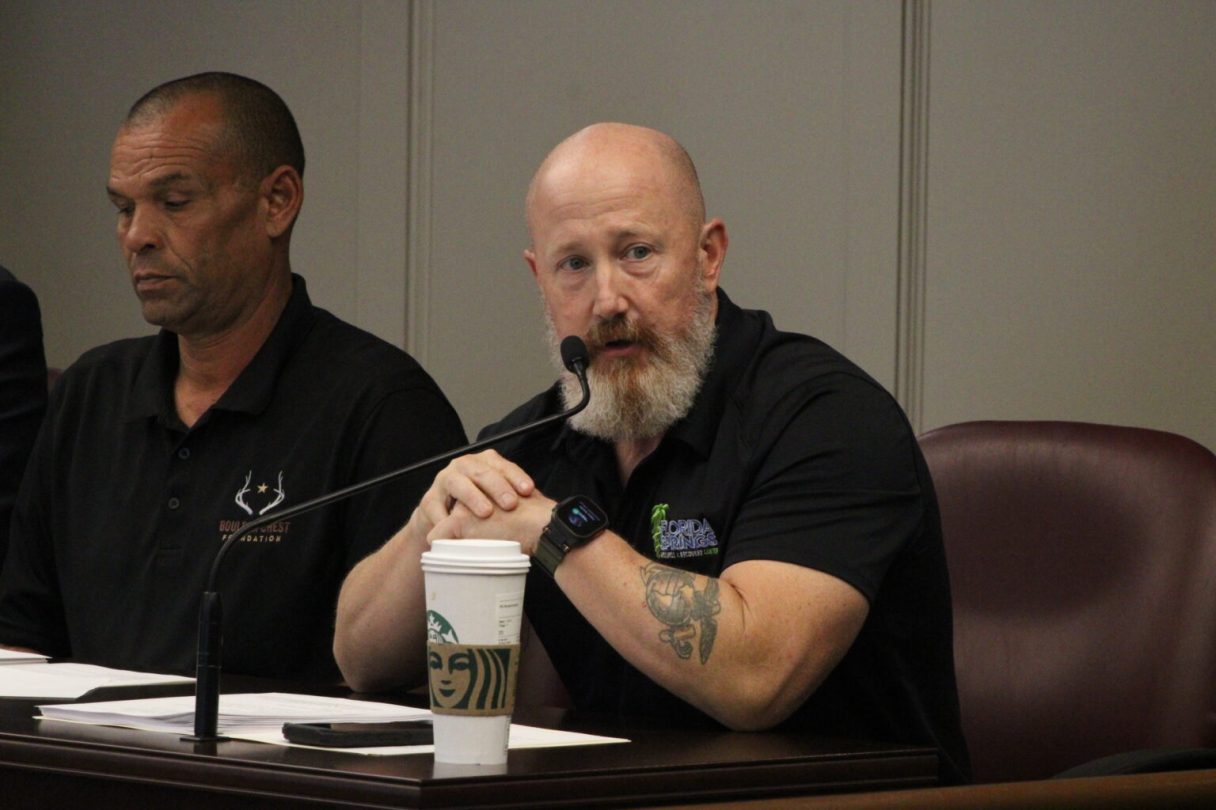
When Jason Smith was in the U.S. Marine Corps, a clinician waited for him and his fellow troops as they got back from missions to record their mental health.
“I remember getting back from Ramadi on my first tour, and when I got off the bus, we had a psychologist sitting there with a PHA, a post health assessment, asking us all kinds of crazy questions,” Smith said. “Do you think any of us got off that bus wanting to talk about that at that moment? No, because we’re getting ready to pull another six months, and nobody wanted to be pulled off deployment. So we just go on and on.”
Since he retired from the military after 20 years, Smith said, he has lost eight marines to suicide and more than a dozen to drug and alcohol overdoses. He started the Safer Together program in Alabama for military, veterans and first responders struggling with their mental health and post-traumatic stress disorder.
“So when you ask, what’s the number one enemy right now? It’s not Hezbollah, the Taliban or Al Qaeda, it’s stigma,” he said.
Smith’s program was one of many that the Alabama Interim Study Commission on PTSD in First Responders learned about at its meeting Tuesday. The commission is tasked with using existing funding to help first responders with PTSD.