
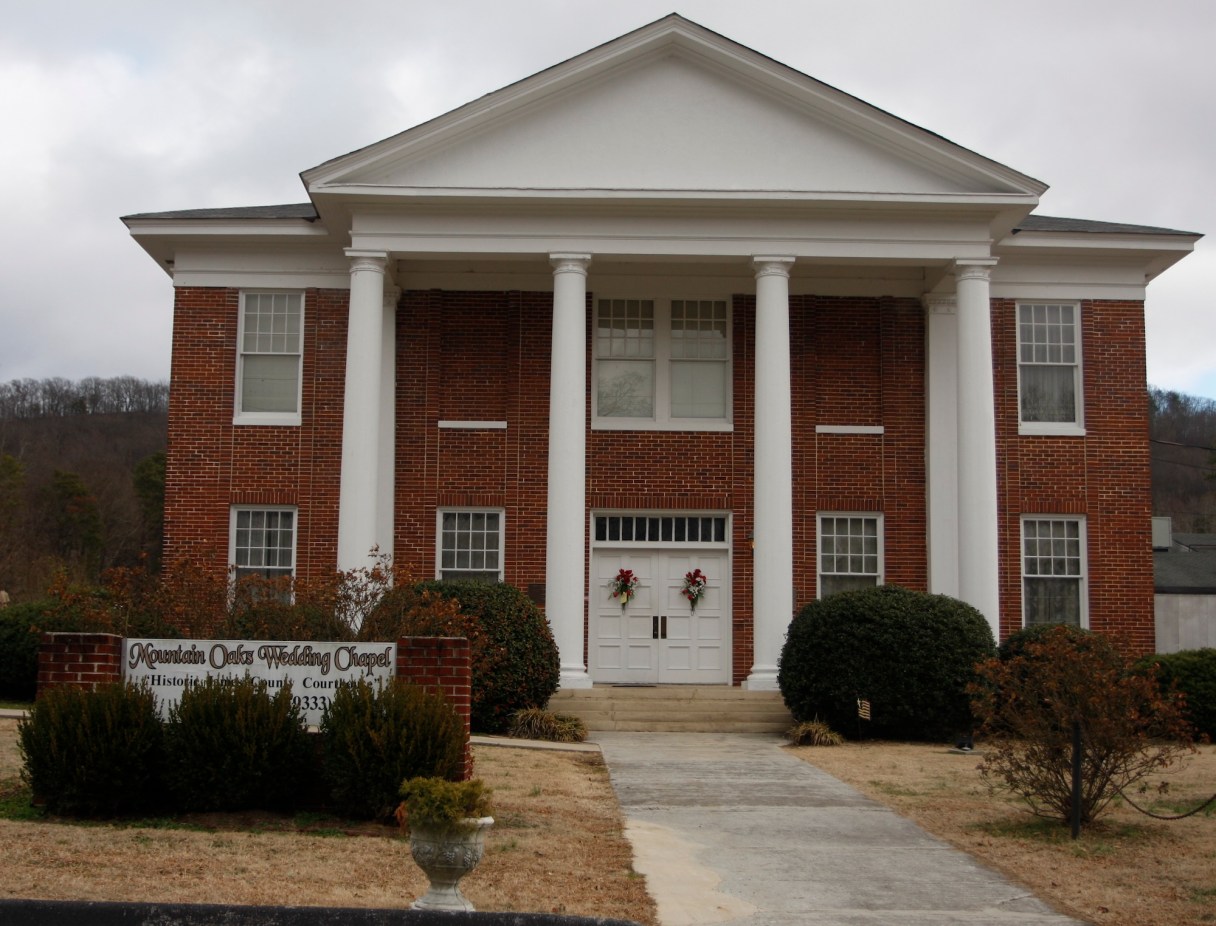
The short-lived history of James County occupies an interesting footnote in Tennessee history. Other counties (Tryon, Washington, Sullivan, Greene) between the Appalachian Mountains and the Mississippi River existed and then disappeared during the early days of a once larger North Carolina. James County held the distinction of being the only unit in Tennessee to have been chartered and then reabsorbed by a “parent county.”
James County, whose citizens felt neglected by a Chattanooga-centered government, was created in January 1871 by an act of the Tennessee General Assembly and signed by Tennessee Gov. Dewitt Clinton Senter. The bill to create the new county took the eastern third of Hamilton County and additional acreage from Bradley County. It had been drafted and introduced by Tennessee state Rep. Elbert A. James of Hamilton County. In honor of his shepherding the legislation, the General Assembly named the new county in honor of the representative’s father, the renowned Methodist minister, Jesse J. James. Ooltewah became the county seat.
Within the original 285-square-mile James County were communities still prominent in the region — Ooltewah, Harrison, Apison, Thatcher’s Switch (now Collegedale), Vann’s Ferry, McCallie’s Ferry, Birchwood and Blythe’s Ferry, among others. What began as a dream of capitalizing on Chattanooga’s strong economy and growing population following the Civil War never became a reality. By the early 20th century, James County leaders were considering the discouraging options of a small, rural area with a weak tax base struggling to maintain schools, roads and government services while trying to attract new businesses. Indicative of its financial crisis, the county boasted more than 20 small schools, but funding allowed the classrooms to be open only four or five months every year.
How did the citizens of James County make the decision to rejoin Hamilton County? It’s certainly an interesting story.
By 1919, the situation reached crisis level. With no increase in tax base, mounting bills and minimal reserves, leaders considered “going out of business.” On Nov. 4, the Chattanooga Daily Times reported that “local lawyers and county officials who favor the annexation of James County to Hamilton are doing all in their power to have the proposition favorably voted on by the citizens …” in the upcoming Dec. 11 balloting. The 1919 Tennessee General Assembly had passed a bill whereby parts of James County would be “returned” to Hamilton and Bradley counties. After an outcry by local citizens objecting to any lands going to Bradley County, John H. Early launched a legal fight on behalf of James County residents. Chancellor T.L. Steward declared that the Assembly’s bill was unconstitutional, as there had been no input by residents. After a series of community meetings, it became evident that most appeared to favor James becoming part of Hamilton County. When a date before Jan. 1, 1920, was selected for voting — Dec. 11 — the fight for votes became serious.