
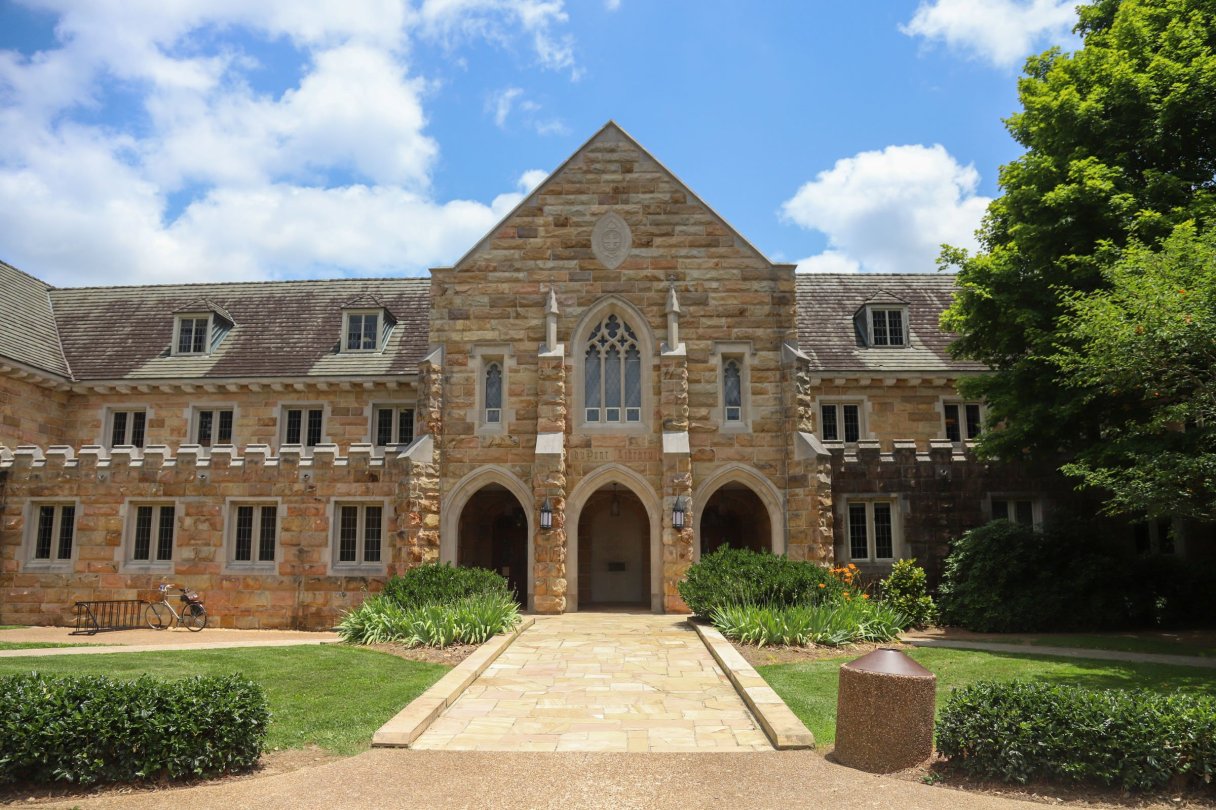

Officials at the University of the South in Sewanee, Tennessee, have confirmed that a report of suspected mold in a dorm room in the school’s Johnson Hall is being investigated by a contract company after university officials “found no visible presence” during an in-house inspection.
Sewanee spokesperson Parker Oliver said the matter arose through a student report, and students in the dorm room in question were offered alternative temporary housing.
“The university received a report from a student who was concerned about possible mold in a room in Johnson Hall,” Oliver said Friday in an email. “The university conducted an initial inspection but found no visible presence of mold. Students later shared photos of a ‘do-it-yourself’ petri dish mold test kit that the students had placed in one room. That particular DIY kit showed some potential mold growth present.”
However, Oliver said, mold professionals don’t advocate the use of those kits because of a number of limitations in the kits that “present varying problematic concerns.” A page on the university website describes the kits’ shortcomings.
“Because of those concerns, that petri dish was removed from the room,” Oliver said. “Despite the findings of the initial inspection, and in an effort to address student concerns, the university contracted with a company that specializes in mold identification and testing to sample the air quality in the room in question, as well as rooms throughout the residence hall.”
(SIGN UP: Get breaking news in your inbox as it happens by going to timesfreepress.com/breaking)
The school and Johnson Hall are defendants in a $35 million lawsuit over allegations of toxic mold exposure. The complaint was filed in Franklin County Circuit Court by 11 former and current students who lived at Johnson Hall. The suit accuses the school of negligence; gross negligence; willful and wanton conduct; negligent hiring, supervision and training; negligent infliction of emotional distress; intentional infliction of emotional distress; breach of contract; and violations of the Tennessee Consumer Protection Act.
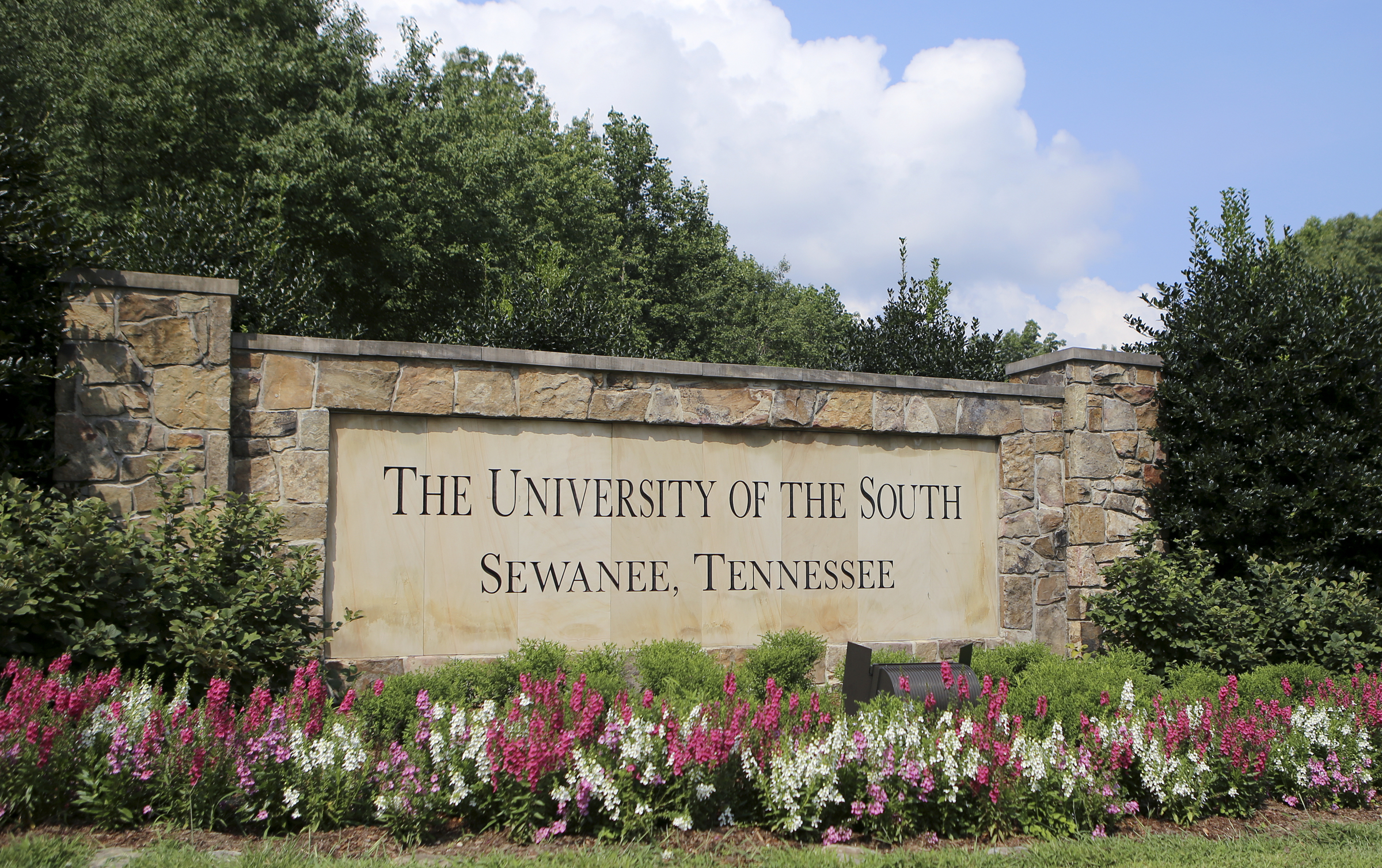
The first complaint in the suit filed Sept. 23 named seven plaintiffs, but an amended version filed Oct. 4 added four new plaintiffs, bringing the total to 11, court records show. The current issue under investigation at Johnson Hall is not associated with the lawsuit.
(READ MORE: Four new plaintiffs join $35M suit against Sewanee over ‘toxic mold’)
The school has not yet filed a formal response to the suit’s allegations.
“It is the university’s policy not to comment on potential or ongoing legal matters,” Oliver said when the initial suit was filed in September.
Students are living in Johnson Hall, Oliver said Wednesday when contacted for comment on the four added plaintiffs.
Johnson Hall was constructed in 1926 with a capacity of 56 students.
Based on test results from the contractor, Oliver said Friday, the school could take more action on the recently reported room.
“The university will take appropriate steps, based upon any results received, with the health and safety of our students as our guide and our top priority,” Oliver said. “In the meantime, in that same spirit, the university has offered the students occupying the room in question the opportunity to relocate ahead of testing and through the return of the test results.”
The school’s Mold Management Plan, available on the university website, uses the Environmental Protection Agency definition of mold as a part of the natural environment that aids in the decomposition of leaves, trees and other natural organic materials. Molds produce allergens and irritants that may cause allergic reactions such as sneezing, runny nose, red eyes and skin rashes.
“If students are having symptoms believed to be the result of allergens, they should make an appointment with University Health Services for an examination,” the plan states. “Employees should consult their health care professional.”
The plan outlines a process for addressing mold concerns, beginning with filing a reporting form with the Office of Environmental Health and Safety, which will conduct an on-site investigation, coordinated with facility management and residential life staff, for an assessment and documentation of the problem.
Residential life, facilities management or the building authority will communicate with affected occupants regarding inspections and resolution steps, and if necessary, school officials will provide students with alternative housing and ensure maintenance officials have access to the affected areas, according to the plan. If necessary, rental facilities will be provided as alternative housing.
Contact Southeast Tennessee reporter Ben Benton at bbenton@timesfreepress.com or 423-757-6569.