
Thursday, October 29, 2026Oct 29

This story is free to read.

Are state interest-rate caps an automatic win for borrowers?

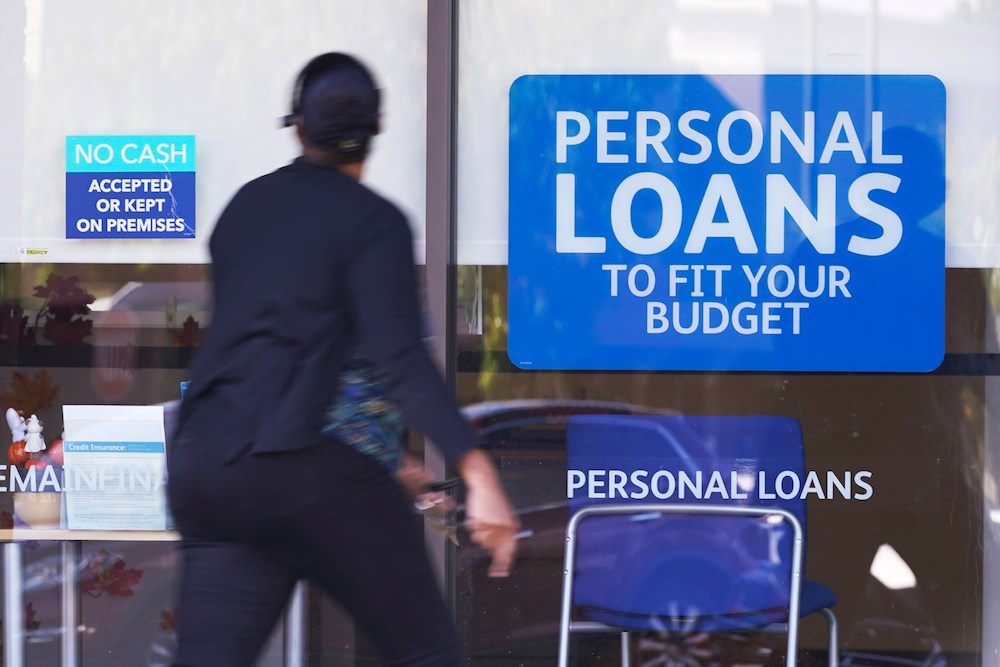
In this Oct. 1, 2020 file photo, a woman walks past a personal finance loan office in Franklin, Tenn. There is no federal maximum interest rate on consumer loans, so absent a state law, lenders can charge high rates on small loans . But recently, more states have moved to bring that number down. (AP Photo/Mark Humphrey, File)
In this Oct. 1, 2020 file photo, a woman walks past a personal finance loan office in Franklin, Tenn. There is no federal maximum interest rate on consumer loans, so absent a state law, lenders can charge high rates on small loans . But recently, more states have moved to bring that number down. (AP Photo/Mark Humphrey, File) In this Oct. 1, 2020 file photo, a woman walks past a personal finance loan office in Franklin, Tenn. There is no federal maximum interest rate on consumer loans, so absent a state law, lenders can charge high rates on small loans . But recently, more states have moved to bring that number down. (AP Photo/Mark Humphrey, File)

Small-dollar, short-term lenders, unburdened by a federal maximum interest rate, can charge borrowers rates of 400% or more for their loans.

But more states are bringing that number down by setting rate caps to curb high-interest lending. Currently, 18 states and Washington, D.C. , have laws that limit short-term loan rates to 36% or lower, according to the Center for Responsible Lending. Other states are weighing similar legislation.

“This legislative session we’ve seen an increased and renewed interest in limiting interest rates and limiting the harms of payday loans,” says Lisa Stifler, director of state policy for the CRL.

Rate-cap opponents say that when a state caps interest, lenders can no longer operate profitably, and consumers with already limited options lose their last resort. Consumer advocates say that caps free borrowers from predatory lending models.

Here’s what happens when a state caps interest rates and what alternatives consumers have for small-dollar loans.