
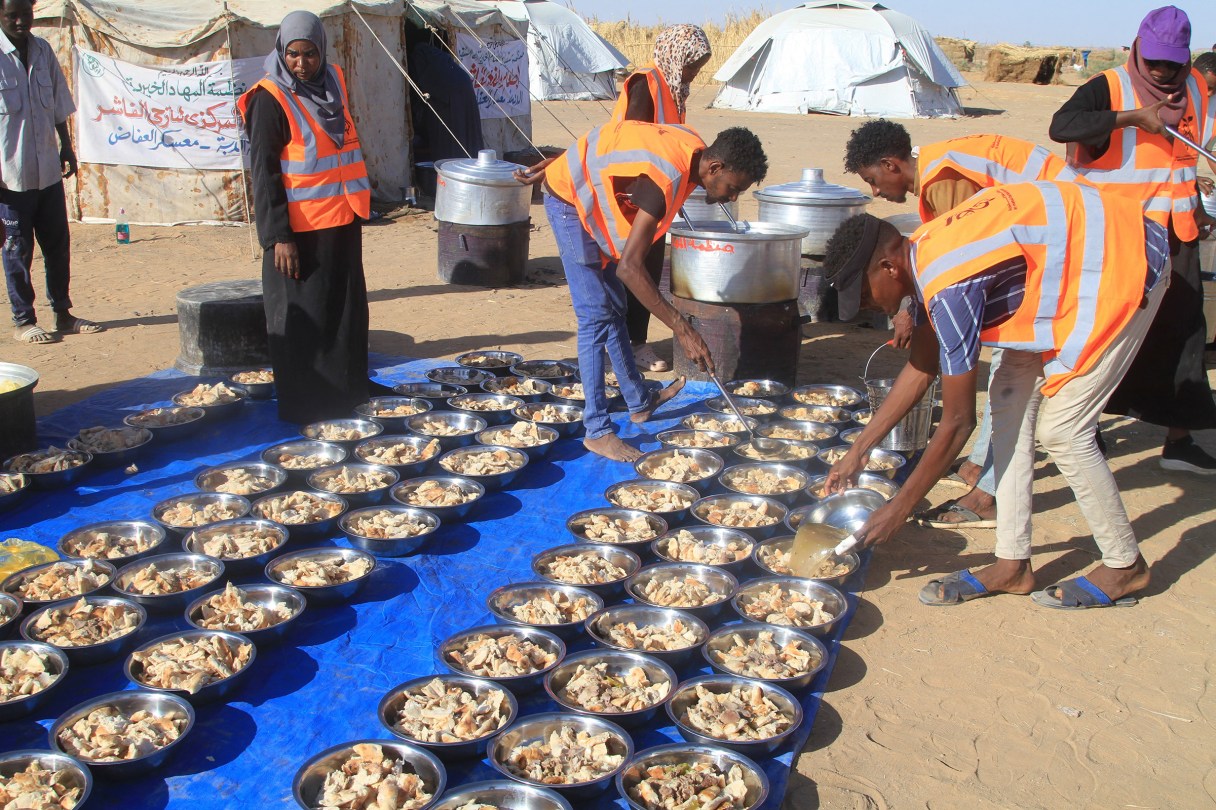
The bloodstains are visible from space.
In the last weeks, the Rapid Support Forces — one party in Sudan’s years-long civil war — captured the city of el-Fasher after a 17-month siege. Since then, fighters have embarked on a campaign of horrors: lining up and executing civilians, systematically killing patients in the city’s last functioning hospital, raping women and girls and shooting those who tried to flee. According to a Yale lab, the bloodstains soaked into el-Fasher’s sand are so large as to be visible via satellite. Thousands are estimated dead.
This tragedy has largely gone unnoticed in the United States, but one more strike in an overwhelming drumbeat of conflict and crisis around the globe.
Last year, the world saw more active conflicts than in any other since the end of World War II. Global reports of political violence surged by 25%. More humanitarian aid workers were killed in 2024 than in any other year on record.
This all points to a dawning era of “inhumanitarianism.” The idea that we share obligations with our fellow humans has gone out of fashion, perhaps lost in the isolation of the pandemic or in an argument with some faceless stranger online. Many devalue human life and reject the community ideal in favor of an “us against them” notion of strength.