
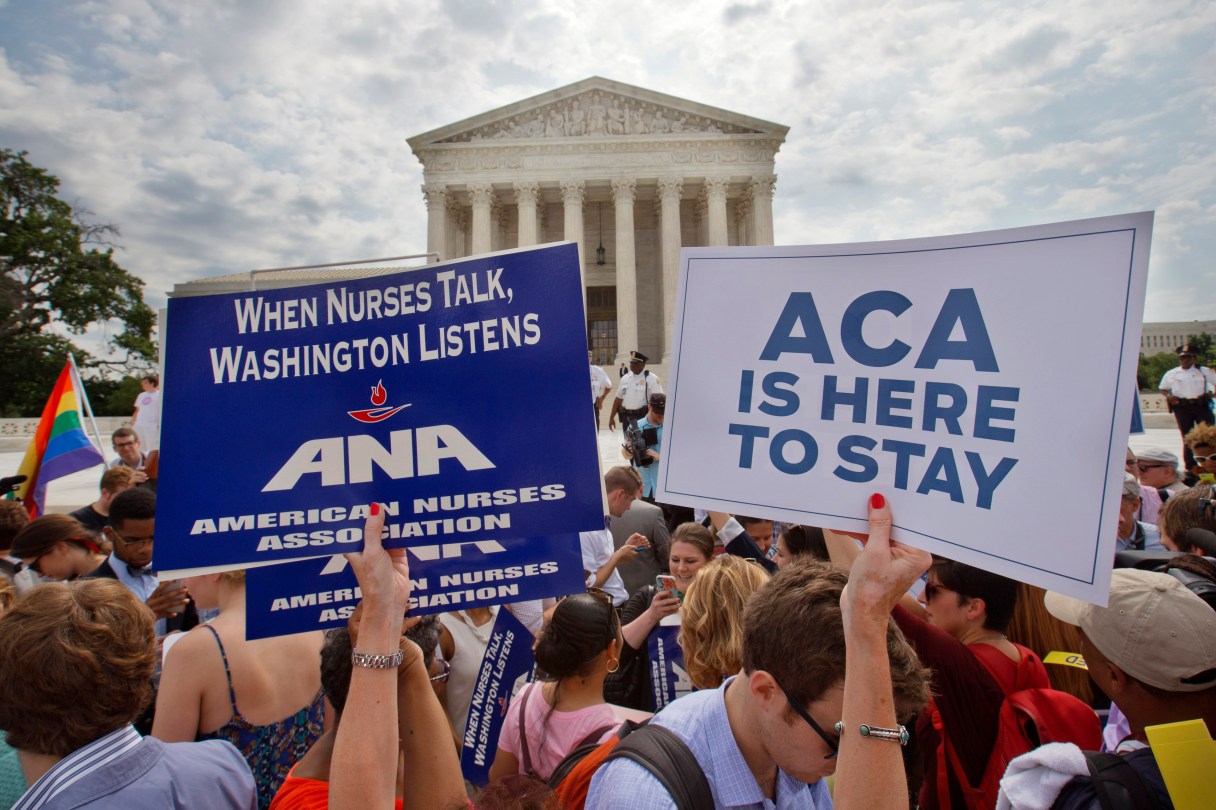
The government shutdown may be over, but Congress still hasn’t solved the biggest problem left on its plate: Extend the expiring Affordable Care Act subsidies to avoid a doubling of insurance premiums or replace them with something new altogether. Lawmakers have committed to a vote in December.
While public debate about the issue has centered on dollars and deficits, the stakes are actually far greater: Access to comprehensive health coverage can determine whether people live or die.
A new idea is now gaining traction among some lawmakers: Let the subsidies expire and replace them with federal deposits into health savings accounts. These deposits wouldn’t lower the cost of buying a plan. Instead, the proposal assumes that people would purchase cheaper, limited coverage — such as high-deductible or catastrophic plans, which often come with deductibles around $6,000 — and then use the HSA funds to help pay the medical bills those plans don’t cover.
But HSA deposits do nothing to prevent the real harm. The health consequences of losing insurance — or of having insurance that is difficult to affordably use — are well documented. A substantial body of research shows a clear relationship between lack of comprehensive coverage and higher death rates.
The U.S. Supreme Court once observed that “the power to tax involves the power to destroy.” In the context of health insurance, the converse is true: Withdrawing support for comprehensive coverage can be destructive as well. It affects not just how people pay for care but also whether they receive care at all.