
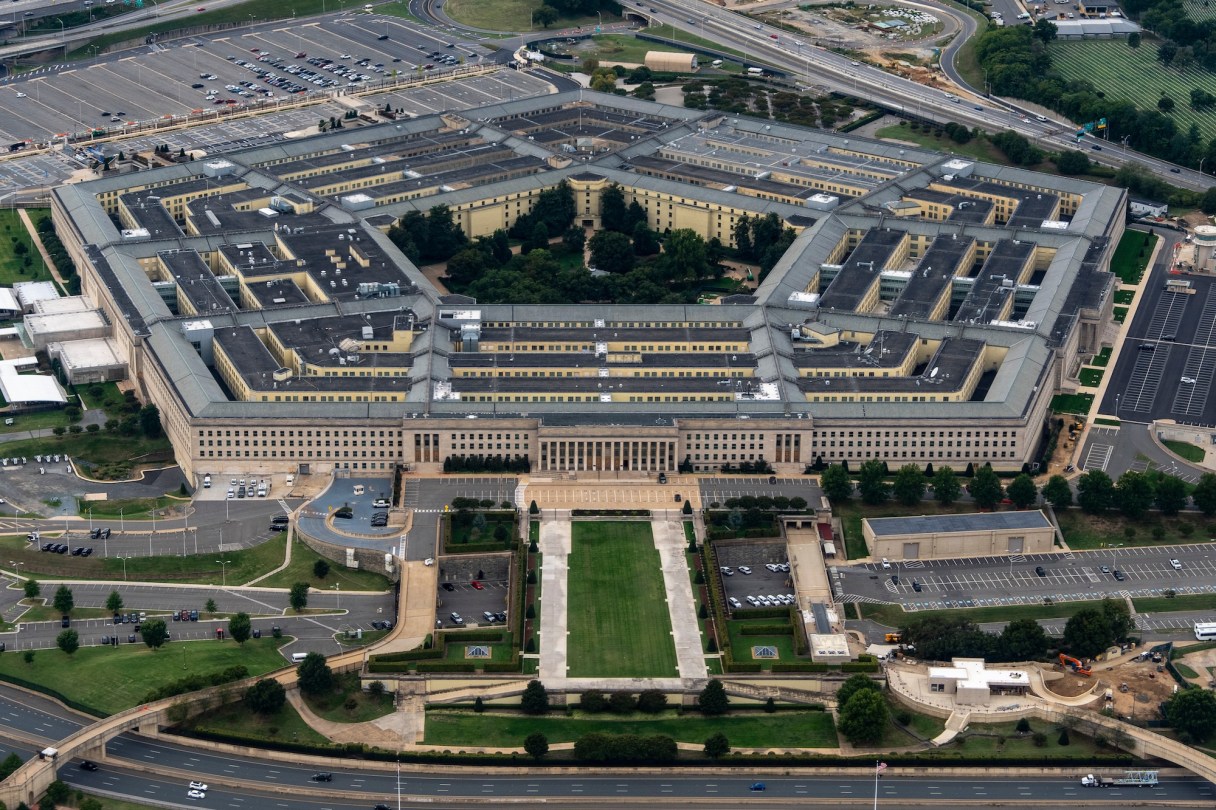
This year, for the first time, the Pentagon’s budget topped $1 trillion. We’re told this is to “support the troops.” Unfortunately, nothing could be further from the truth. While tens of thousands of veterans are homeless and hundreds of thousands are going hungry, the Pentagon is wasting billions on things like $1,500 coffee cups and $150,000 on soap dispensers.
More than half of the Defense Department’s budget goes to private companies, not to military personnel. Those Pentagon contractors spend our taxpayer dollars to help pay for things like $20 million-plus CEO salaries, more than a thousand lobbyists, and multibillion-dollar stock buybacks that artificially inflate the value of their shares, but do nothing to actually keep Americans safe, let alone, “support the troops.”
While weapons contractor executives get rich, military personnel are literally going hungry, with an estimated 25% facing food insecurity that has been exacerbated by the government shutdown.
Then there is the impact of serving in the post-9/11 wars on the lives and health of veterans. More than 7,000 service members died in America’s post-9/11 wars, and an astonishing 600,000 suffer from post-traumatic stress syndrome (PTSD) or traumatic brain injuries (TBI).
Even worse, as documented in the film “What I Want You to Know,” many veterans don’t know why they were sent into our recent wars, and they decided early on that the conflicts were unwinnable. They further felt that their government had lied to them, and many were haunted by the things they were asked to do to other human beings in the course of fighting the wars. As Gregory Daddis, a 26-year Army veteran and now a professor of history at Texas A&M has noted, “endless wars lead to endless veterans who are often left wondering if their efforts mattered.”