
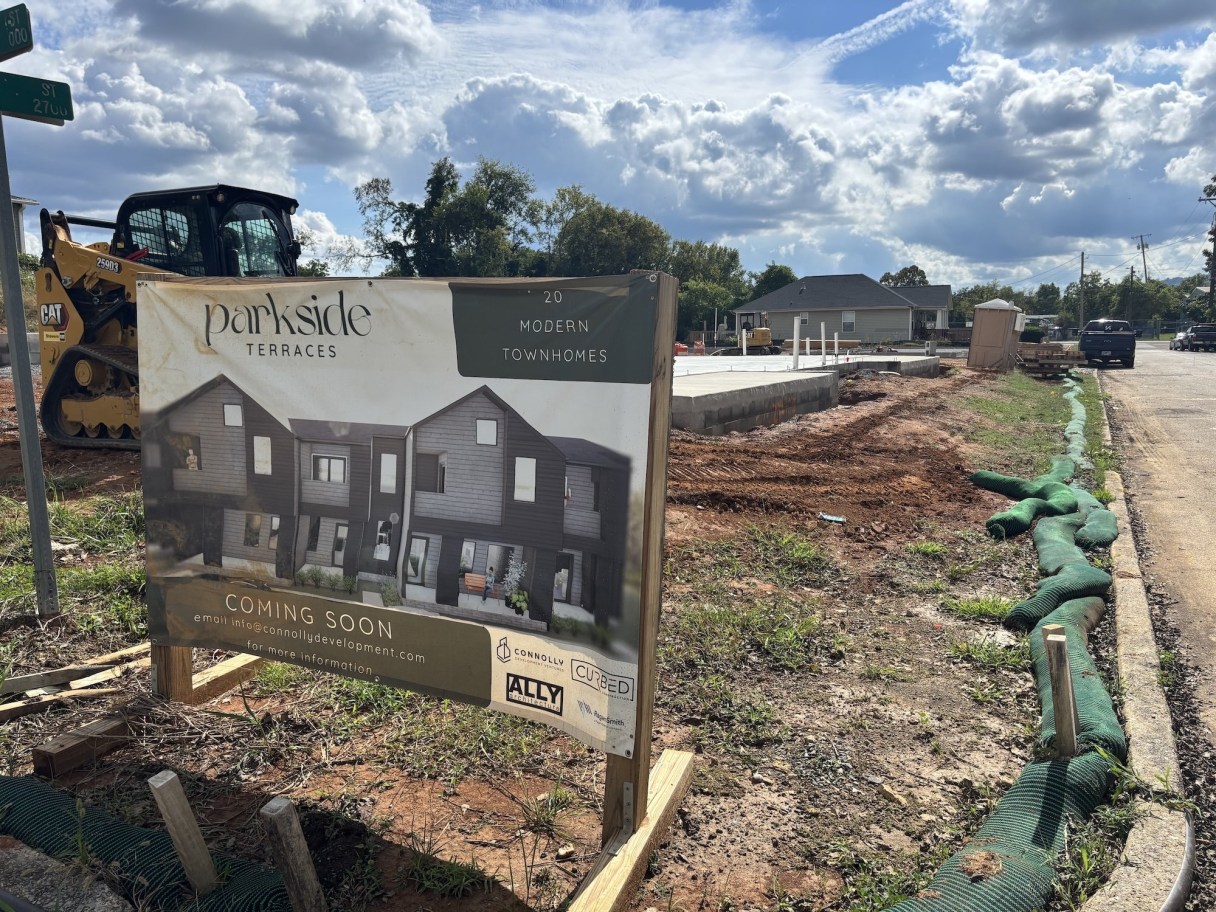
One of the more noticeable consequences of inequity in our communities are the visible markers that displacement leaves upon a neighborhood — the sleek high-rise apartments, that decades-old family-owned business closing shop, a hip new place on the corner serving a new clientele.
There’s one word, now commonplace in the public lexicon, to describe this unflattering phenomenon: gentrification.
In Chattanooga, the ramifications of gentrification — precipitous social processes where a neighborhood is transformed for a richer class of people, driving away lower-income residents — are seen in the city’s demographic shakeup over the past decade or so.
From 2010 to 2024, Chattanooga’s Black population — residents who, due to the legacy of decades of racist public policy, still earn roughly half the annual income of their white counterparts, on average — dropped from nearly 57,000 down to just under 51,000.
As a share of the city’s total population, that’s a rate of 34% in 2010 down to 27% in 2024. Conversely, the makeup of Chattanooga’s white population has remained almost perfectly stagnant — from 56% to 55.3%.