
Monday, November 9, 2026Nov 9

This story is exclusive to subscribers.

Community voice: Why are Tennessee’s public virtual schools expanding with failed outcomes?

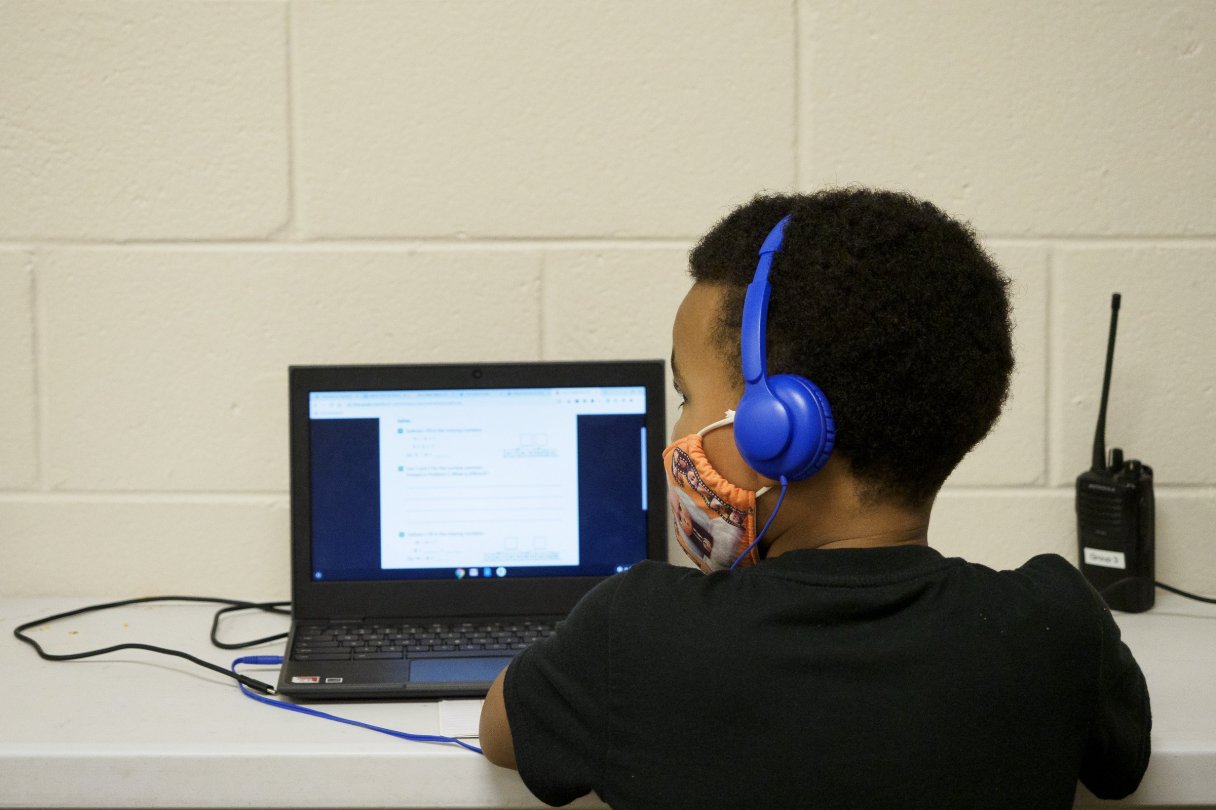
Staff photo by C.B. Schmelter / Seven-year-old Carmello Dozier works on his laptop at the YMCA Healthy Living Center at North River on Thursday, Sept. 3, 2020 in Chattanooga, Tenn. There is a few community partners who joined Hamilton County Schools that are helping working families of students who are learning completely virtual by creating virtual learning centers. One of those partners is YMCA.
Staff photo by C.B. Schmelter / Seven-year-old Carmello Dozier works on his laptop at the YMCA Healthy Living Center at North River on Thursday, Sept. 3, 2020 in Chattanooga, Tenn. There is a few community partners who joined Hamilton County Schools that are helping working families of students who are learning completely virtual by creating virtual learning centers. One of those partners is YMCA. Staff photo by C.B. Schmelter / Seven-year-old Carmello Dozier works on his laptop at the YMCA Healthy Living Center at North River on Thursday, Sept. 3, 2020 in Chattanooga, Tenn. There is a few community partners who joined Hamilton County Schools that are helping working families of students who are learning completely virtual by creating virtual learning centers. One of those partners is YMCA.

The COVID-19 pandemic taught Tennessee a hard lesson: Virtual learning doesn’t work for most students.

We watched the largest education experiment in modern history unfold as teachers, students and parents scrambled to adapt. The results were clear — virtual learning produced inferior outcomes. Yet even as Tennessee has recovered and surpassed pre-pandemic achievement levels, virtual school enrollment keeps growing.

The data is stark. During the 2023-24 school year, 58 public virtual schools served more than 12,600 students.

Only 20% earned a TVAAS (Tennessee Value-Added Assessment System) composite score of 3 or higher for adequate academic growth — compared to 66% of traditional schools. More than a third received D or F grades. Half couldn’t even generate a grade due to insufficient data. That’s 88% of our virtual schools either failing or unaccountable.

There are bright spots and legitimate use cases for virtual learning — such as medically homebound students or access to advanced coursework — but the model is failing in most places.