
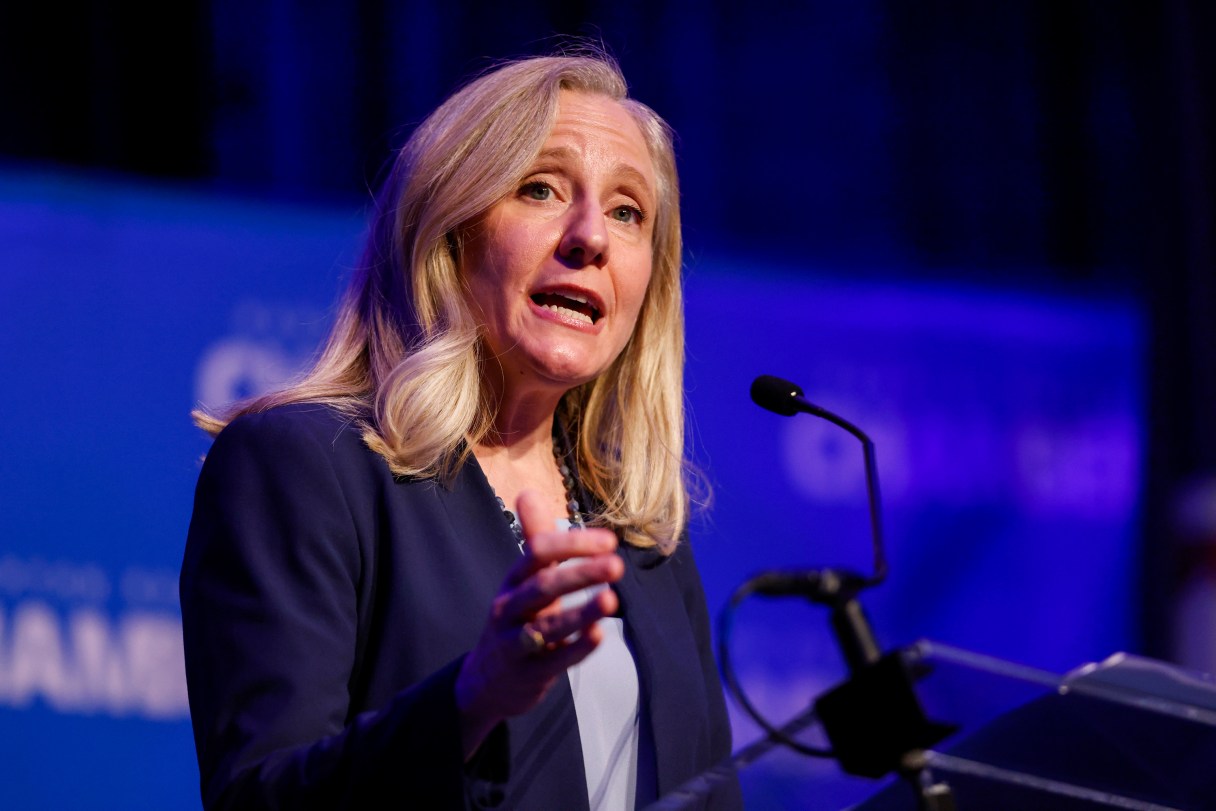
When Virginia’s Governor-Elect, Abigail Spanberger, takes office next month, she will have the chance to make good on her promise to do something about her state’s outdated system of felony disenfranchisement. Virginia is one of just three states where only the governor can restore voting rights to felons who have completed their prison terms.
It is the only state that also permanently strips a person’s rights to be a public notary or run for public office for a felony conviction unless the governor restores them.
Spanberger’s predecessor, Republican Glenn Youngkin, did everything in his power to make it very difficult for any felon to get voting rights restored. During her campaign, Spanberger said she would follow the examples of the governors of Iowa and Kentucky, who have signed orders to make restoration automatic for most people with felonies.
That is a step in the right direction, but it does not go far enough.
Executive action can be undone by Spanberger’s successor, just as Youngkin reversed the effort of his predecessor to ease the path for ex-felons to vote. Additionally, a pending federal lawsuit seeks to have the state’s felony disenfranchisement law invalidated for violating a post-civil war state act prohibiting disenfranchising voters.