
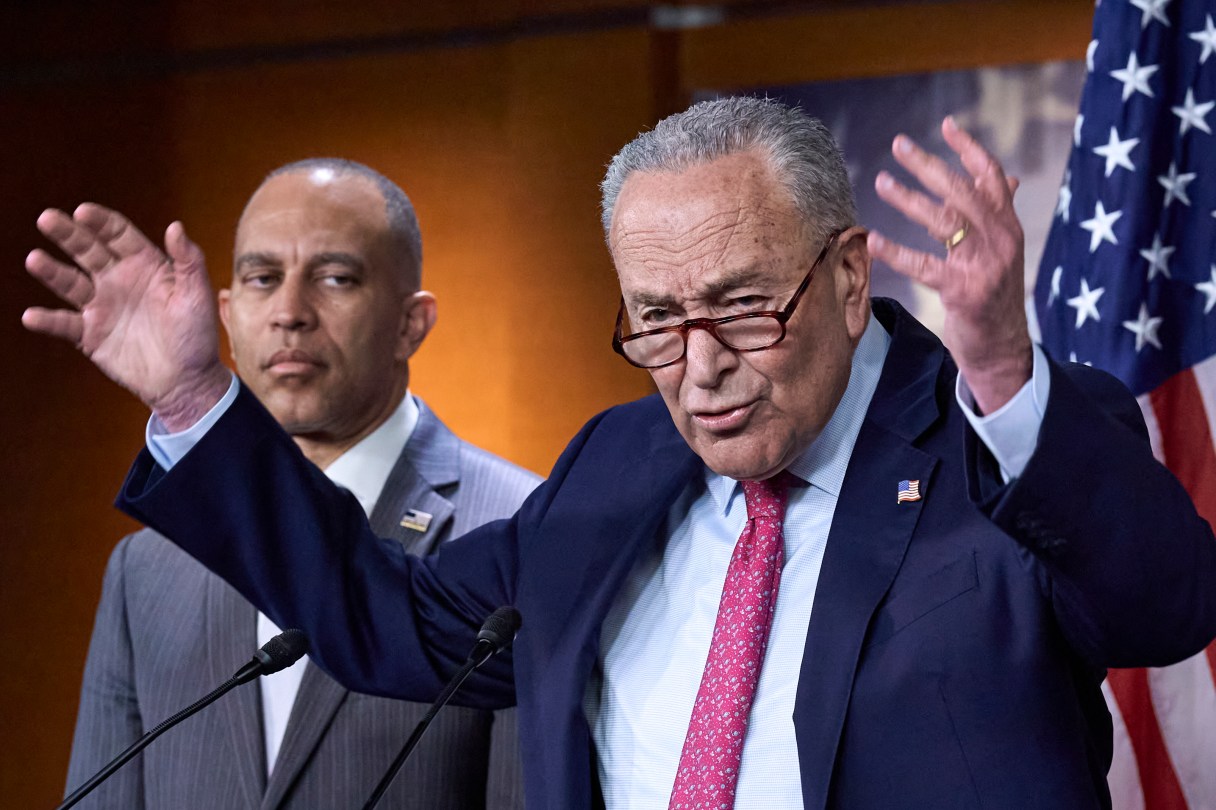
Democrats held basic government operations hostage in an effort to extend expiring health insurance subsidies and prove Milton Friedman’s dictum that nothing is as permanent as a temporary government program.
They pointed to new estimates that average marketplace plan premiums will increase by 18 percent next year to try to support their claims that COVID-era subsidies for those earning more than 400% of the poverty line should continue indefinitely.
Democrats have cause and effect backward. Subsidies don’t make coverage affordable; they are a major reason healthcare costs have skyrocketed and now cost $5 trillion annually, nearly 20% of GDP. Hundreds of billions of dollars of annual ACA subsidies increase premiums because they shield health insurers from market discipline.
The same dynamic has occurred with college tuition.
Among the biggest victims of runaway premiums are small businesses and entrepreneurs. New data from the Kaiser Family Foundation shows the average annual small business-sponsored family premium is $26,000. How is a Main Street business supposed to purchase the equivalent of a Toyota Corolla for each employee, year after year, on often razor-thin profit margins? No wonder the share of small businesses that offer health coverage has significantly declined in recent years.