
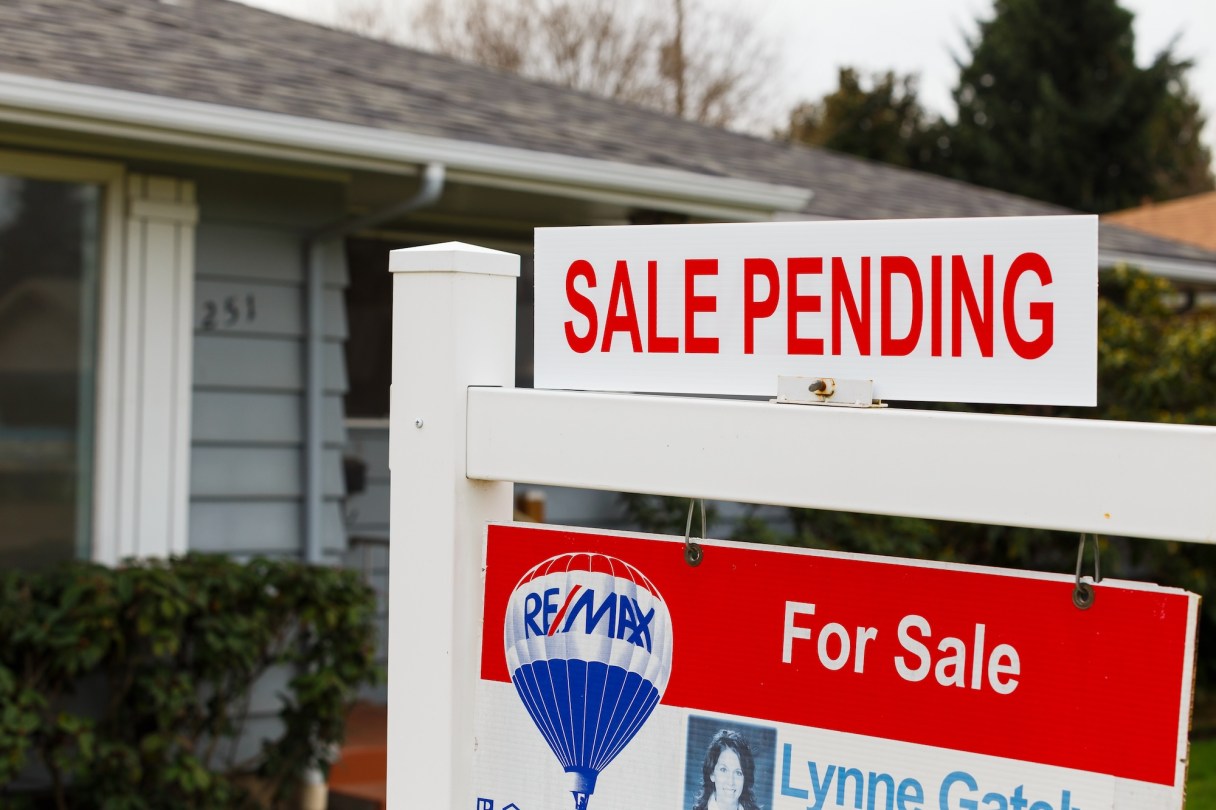
If owning a home is still the American dream, it is increasingly out of reach for many young Americans. The average age of a first-time homebuyer is now 40, up from 33 just a few years ago and 29 in 1981.
To which I say: It’s just as well. Buying a home in your 20s is not the best financial goal, nor should it define financial success.
I am not here to minimize the housing affordability crisis, which is driving economic populism on the left and the right. I acknowledge that homeownership has a special value in the U.S., both psychically (it’s associated with “making it”) and financially (it has tax benefits, in the form of the home mortgage deduction, and real estate is seen as a good investment).
But owning a home does not always make financial sense. With taxes, HOA fees, insurance and maintenance, homeownership incurs costs above and beyond a monthly mortgage payment. It is also a risky bet. It requires a large down payment — tying up assets in something illiquid. That carries an opportunity cost, especially for young people, who may be better off investing that in a well-diversified market fund.
Buying a home is a concentrated bet that is highly correlated with your job prospects, since local real estate markets tend to be tied to the health of the local economy. That’s why most young people would be better off renting. They have less job stability, require more financial liquidity and less debt. If they do buy, they are more likely to need to sell within a few years.