
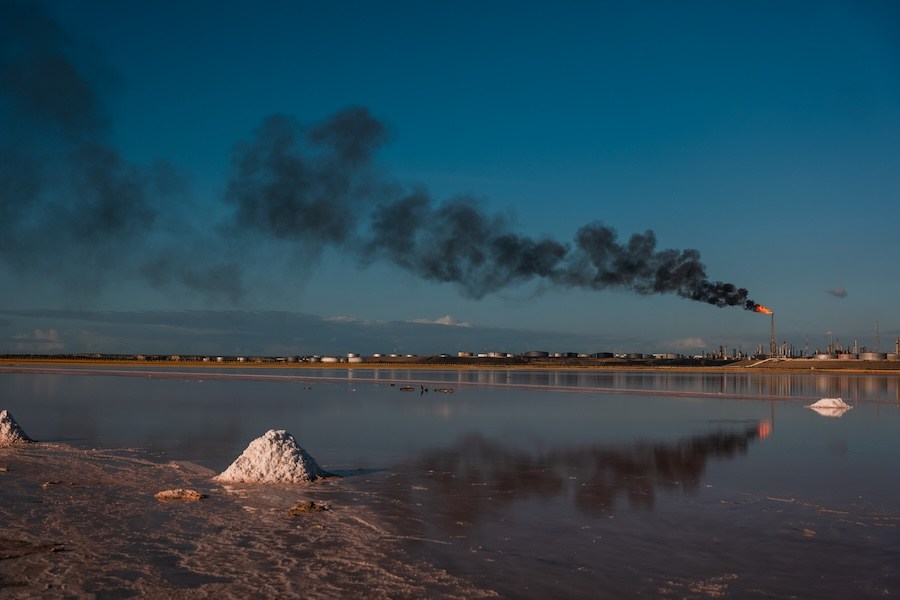
President Donald Trump painted a picture over the weekend of how U.S. oil companies would dive into Venezuela after the ouster of President Nicolás Maduro and “spend billions of dollars, fix the badly broken infrastructure” and “start making money for the country.”
But Trump’s oil goals face formidable challenges.
A handful of Western producers with operations or deals in place in Venezuela could ramp up relatively quickly if the political conditions were right. But a more substantial revitalization of the country’s flagging oil and gas industry most likely would take years and tens of billions of dollars in investment.
The potential prize is huge — Venezuela boasts the largest oil reserves in the world — but so are the risks, and U.S. energy companies such as Exxon Mobil and ConocoPhillips have been burned in Venezuela before. Oil prices are also low, having fallen more than 20% in the past year, making it harder for companies to justify new spending.
For now, two of the big questions facing oil companies are how Venezuela’s government will rebuild after Maduro’s capture, and whether the United States lifts the sanctions it has imposed to weaken the country’s economy.