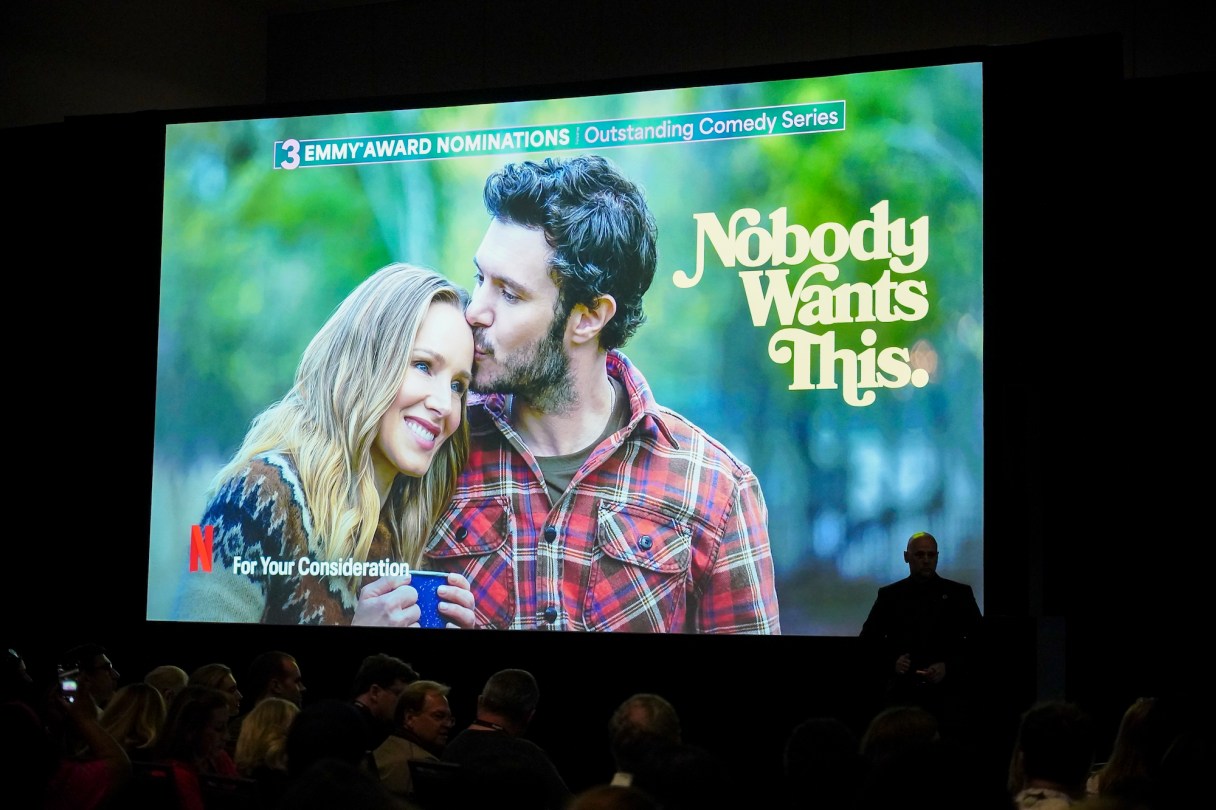
Pop culture is not my thing. When small talk turns to the topic of current shows and celebrity events, I quietly excuse myself. But the Netflix show “Nobody Wants This” has been the topic of conversation across social media, water coolers and “relationship expert” blogs and podcasts alike. As I binged this rom-com series (for research, of course), I realized it was more than feel-good entertainment, it’s a relationship lab.
Kristen Bell plays Joanne, an agnostic relationship podcaster, and Adam Brody plays Noah, a rabbi whose job and faith come with some serious fine print. They’re clearly a relational pair that’s doomed from the start. Fair warning up front: This is not a family-friendly show. It contains language and some mild adult content, so it’s one to watch after the kids are tucked in.
Season one drew over 50 million views in three months and sat in Netflix’s global English Top 10 for weeks, and season two opened at No. 1 with millions more watching in just a few days. Critics describe it as a global hit. And as I mentioned, relationship and mental health experts are weighing in, too, from multiple Psychology Today columns to a Netflix reaction video by renowned intimacy therapist Esther Perel, as well as “green flag” breakdowns from clinical psychologist Phoebe Rogers. With that much buzz from everyday viewers and experts, my curiosity finally won.
Of course, “Nobody Wants This” isn’t happening in a vacuum. For decades, researchers have studied what TV tells us about love and family. Romantic story lines have sent some pretty intense messages. A 2021 study by Taylor Kracht and Darcey Powell through Roanoke College’s Department of Psychology found that romantic media use is tied to “implicit theories” about relationships, otherwise known as destiny beliefs such as “if it’s right, it should be easy” versus growth beliefs that assume couples have to work through challenges. Their work suggests that heavy doses of idealized romance can nudge viewers toward more unrealistic expectations of love.
Yet the same medium that feeds us fairy-tale expectations can also model the boring, beautiful skills real couples need. In 2014, communication scholar Courtney Anderegg analyzed committed couples on prime-time network TV and found frequent “relationship maintenance” behaviors: positivity, honest emotional disclosure, reassurances about the future and showing up for each other in daily tasks, especially in romantic comedies.
That’s where “Nobody Wants This” feels like a step forward in some ways. Creator Erin Foster has said the story is loosely based on her own relationship with her Jewish husband and her eventual conversion to Judaism, which may be why Noah and Joanne feel so lived-in. Over two seasons, we watch them tackle religious differences, complicated families, career upheaval and some truly uncomfortable therapy sessions. They don’t always get it right, but they keep circling back to the basics: admit when you’re wrong and apologize often, communicate your needs, fears and emotions openly, and choose to look for the good in each other.
Experts see it, too. Psychologist Isabelle Morley has written in Psychology Today about the “love lessons” in the show, praising Joanne and Noah’s vulnerability while also calling out the moment Noah dodges a hard conversation about religious expectations. Clinical psychologist Phoebe Rogers, writing about the show’s “green flags,” describes Noah as a kind of ideal secure partner: emotionally available, accountable when he messes up, affectionate and steady enough not to be thrown off by Joanne’s anxiety.
At First Things First, we teach these same skills. They sound simple: Speak up instead of stewing, say “I’m sorry” without a legal defense attached and practice noticing what your partner is doing right rather than mentally scrap booking every misstep. Research on “destiny” versus “growth” beliefs in relationships suggests that people who see love as something you build over time are more likely to stick with these hard, maintenance-type behaviors when things get bumpy.
So yes, “Nobody Wants This” is a sharp, funny rom-com for grown-ups. It’s also a surprisingly useful case study in real, actionable love: two imperfect humans learning to tell the truth, repair quickly and see the best in each other when life gets hard. If our shows are going to shape our expectations anyway, we might as well let a few of them nudge us toward the kind of love we can actually practice at home, right after we turn off the screens and hold each other’s hands on the couch.
Lauren Hall is president and CEO of family advocacy nonprofit First Things First. Email her at lauren@firstthings.org.