
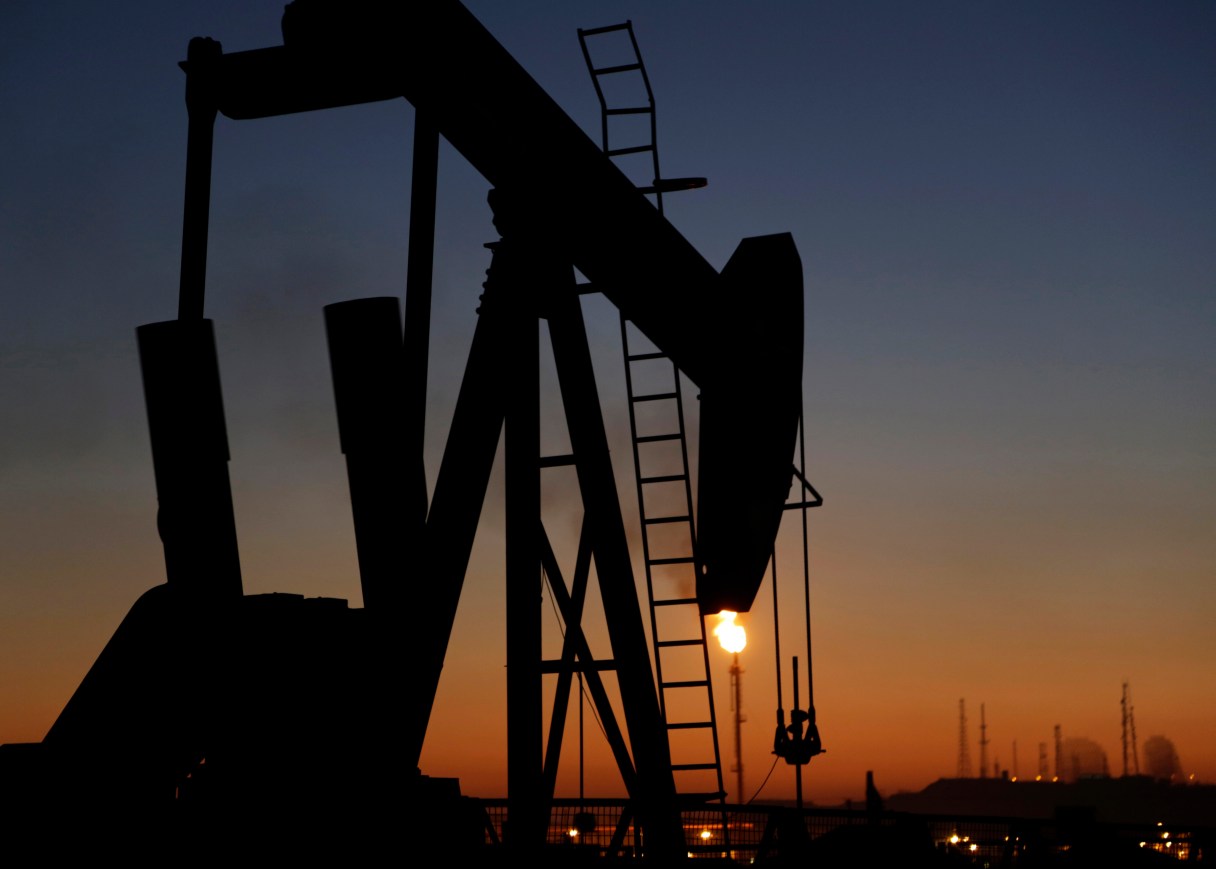
FRANKFURT, Germany (AP) — The Iran war has put at risk some of the world’s most critical oil and gas infrastructure — the pipelines, refineries, and shipping terminals that keep energy flowing from the countries around the Persian Gulf to the global economy.
Strikes by Iranian drones have disrupted operations, while risk of Iranian strikes has effectively closed the Strait of Hormuz, the conduit for some 20% of the world’s oil and liquefied natural gas. Oil fields in countries including Iraq have cut back output as storage fills up. Qatar, a major supplier of liquefied natural gas, has shut down its exports as well.
“A lot of very critical energy infrastructure has been either forced to shut down because of direct damage from drones and missiles,” said Torbjorn Soltvedt, principal Middle East analyst at risk intelligence company Verisk Maplecroft, “or because production is effectively being shut in as a result of shipping grinding to a halt. We’re already starting to see some of the global ramifications of that.”
All that has sent prices soaring, raising the cost of everything that needs fuel: flying, running factories, transporting goods, and farming. International benchmark Brent crude has risen from $72.97 the day before the war started to almost $103 on Monday.