
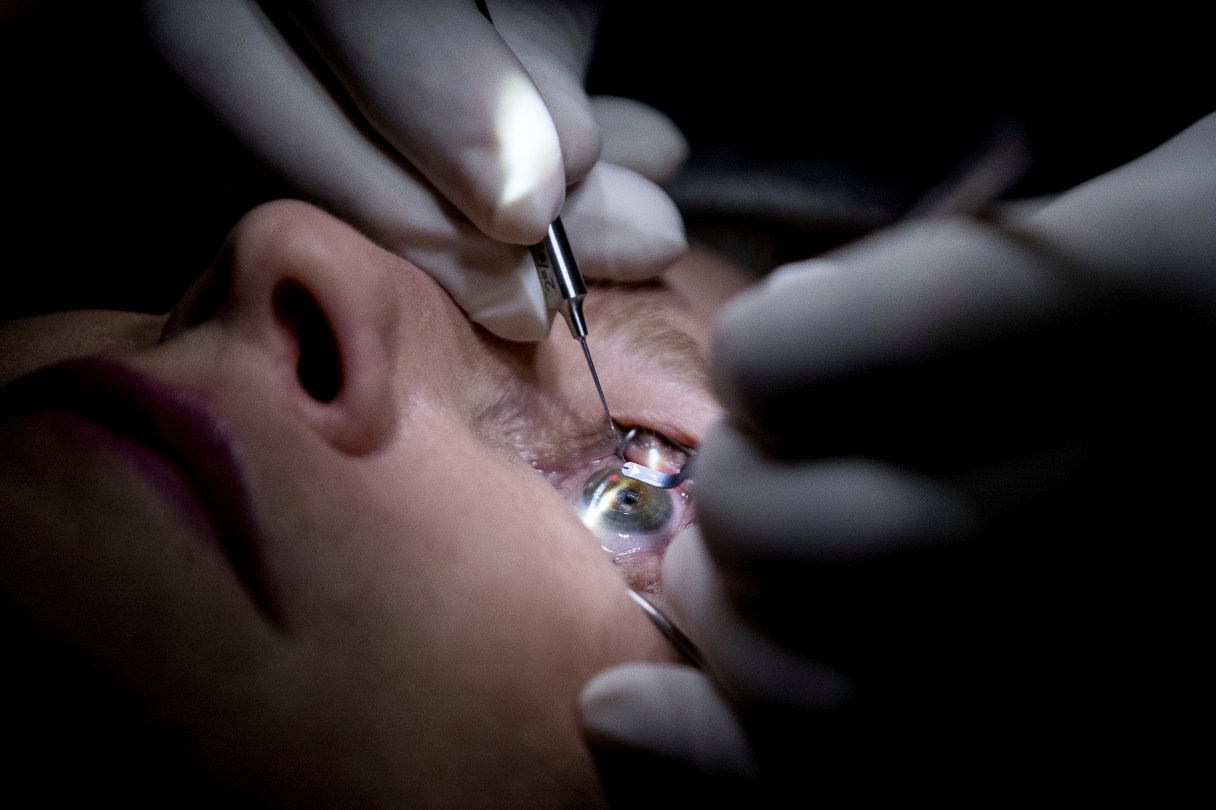
As an ophthalmologist in Knoxville, I have spent over 15 years caring for patients’ vision – often at the most vulnerable moments of their lives. Eyes are complex, delicate organs that shape how we interact with the world. So when something goes wrong, the consequences are devastating and often permanent.
That’s why I’m deeply concerned about proposed legislation that would lower standards for surgical safety by expanding the scope of practice for optometrists to include laser eye surgery. Optometrists are highly valued providers of basic eye care, but they are neither medical doctors nor trained surgeons. But a bill in the Tennessee General Assembly – SB2076/HB1952 – puts patients at risk and undermines the standards of care that Tennesseans expect and deserve.
Ophthalmologists are medical doctors and surgeons who complete four years of medical school, a full year of internship and three or more years of hospital-based surgical residency, often followed by fellowship training. This rigorous education is not academic box-checking; it is what prepares us to recognize complications, manage emergencies and protect patients when surgery doesn’t go as planned.
Optometrists, on the other hand, do not attend medical school, do not complete required surgical residencies, and are not trained to address systemic complications or surgical emergencies that could occur during a laser surgery. Expanding surgical authority without equivalent training lowers the bar for care and introduces unnecessary safety risks.
In Kentucky, the state’s optometry board weakened training and licensing requirements by granting licenses to 21 optometrists who failed all or parts of their national certification exams. One of these failed every portion of her national board exam and is now facing a malpractice lawsuit for blinding a patient in one eye by using the wrong laser settings during a surgery.