
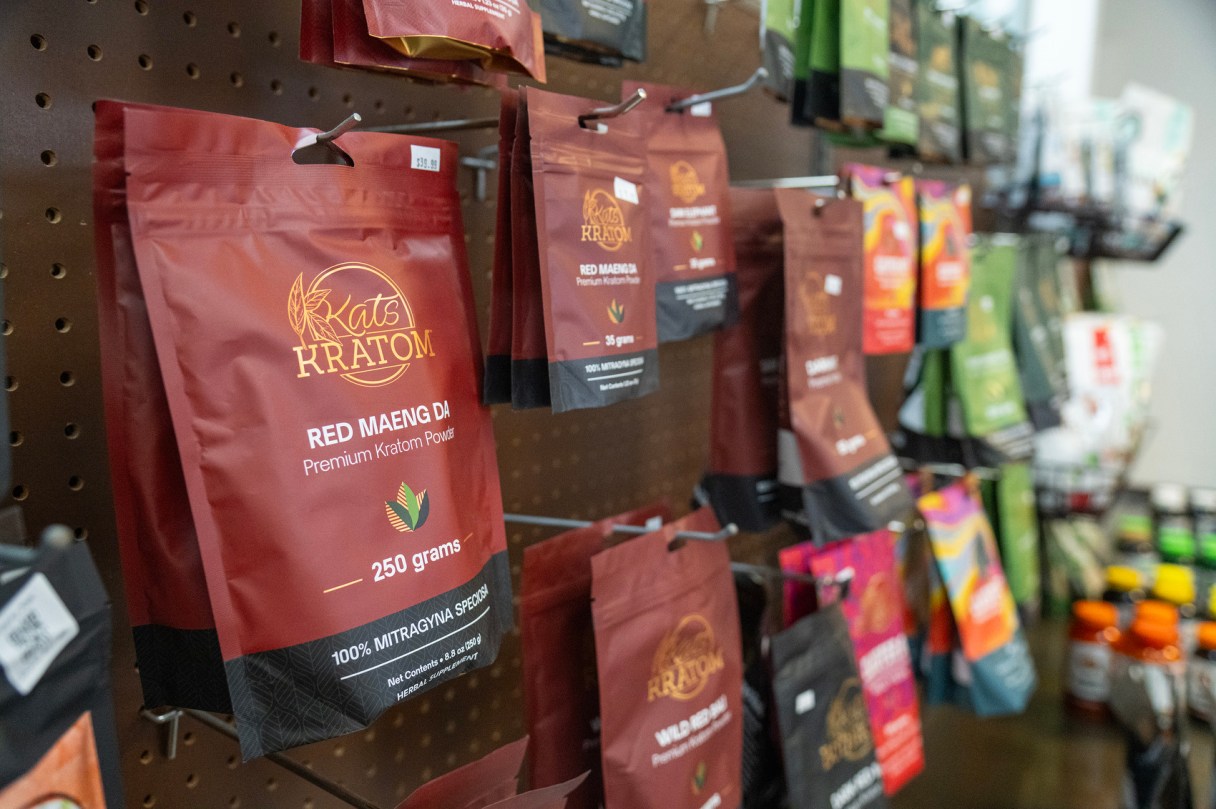
Legislation that would ban kratom, an opioid-like substance used recreationally and for pain relief, is advancing toward a floor vote in the Tennessee legislature.
Tennessee law already criminalizes synthetic forms of the substance, but the latest bill, championed by state Rep. Esther Helton-Haynes, R-East Ridge, would designate both natural and synthetic forms as a Schedule I drug. The U.S. Drug Enforcement Administration defines Schedule I drugs as “drugs with no currently accepted medical use and a high potential for abuse.” Examples include heroin, LSD, marijuana and ecstasy.
Despite the current ban, Helton-Haynes said by phone that synthetic kratom products are still easy to buy and that state officials should do everything they can to protect young people from turning to the substance.
Kratom is derived from the leaves of a plant native to Southeast Asia, can have psychoactive effects when consumed and can lead to addiction, overdoses and liver toxicity.
The active ingredient, a naturally occurring compound known as 7-OH, can be extracted and used to produce synthetic products that are much stronger.