
SEOUL, South Korea — Reality is starting to set in for the world’s oil traders.
Oil futures have again topped $100 a barrel — the latest surge after days of wild price swings in the market since the United States and Israel first struck Iran. But this uptick came after the International Energy Agency on Wednesday announced that more than 30 countries would release a record amount of oil from their emergency reserves.
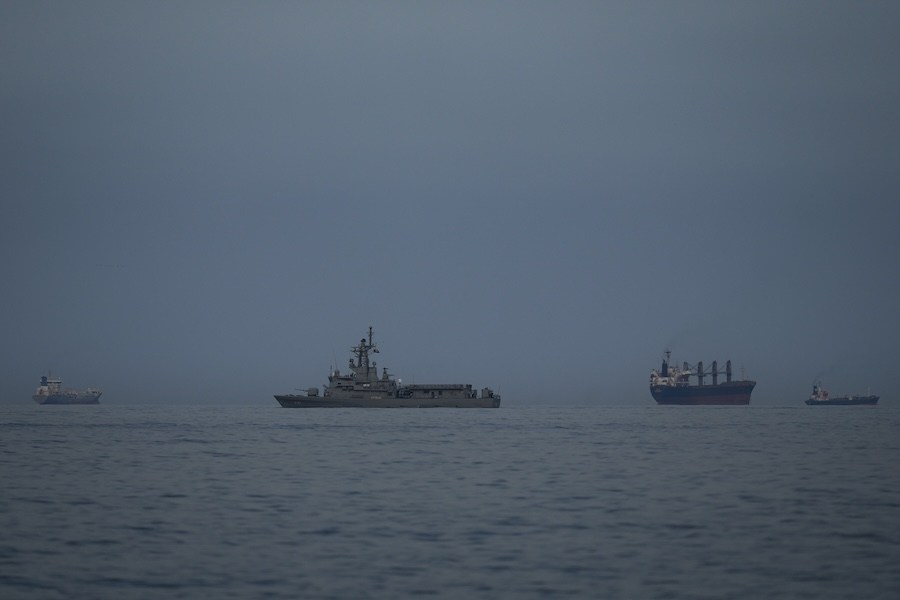
Instead of reassuring jittery markets, the news seemed to further spook traders by underscoring how far the world is from reopening trade in the Strait of Hormuz, the narrow waterway and vital trading route that separates Middle Eastern oil producers from their customers. This concern was further reinforced when three ships were attacked in the channel Wednesday.
Before the war, the strait carried more than 20 million barrels a day, roughly one-fifth of the world’s supply. That traffic is virtually halted. While world leaders agreed to release a record 400 million barrels of oil from strategic reserves, that is only about 20 days worth of oil that would normally flow through the strait.
And the war began nearly two weeks ago — with no end in sight.