
WASHINGTON (AP) — Under pressure from President Donald Trump, Senate Republicans plan to launch a “full and robust debate” next week on legislation to impose strict new proof-of-citizenship requirements, an effort to show Trump that they are serious about the bill even though it doesn’t have enough support to pass.
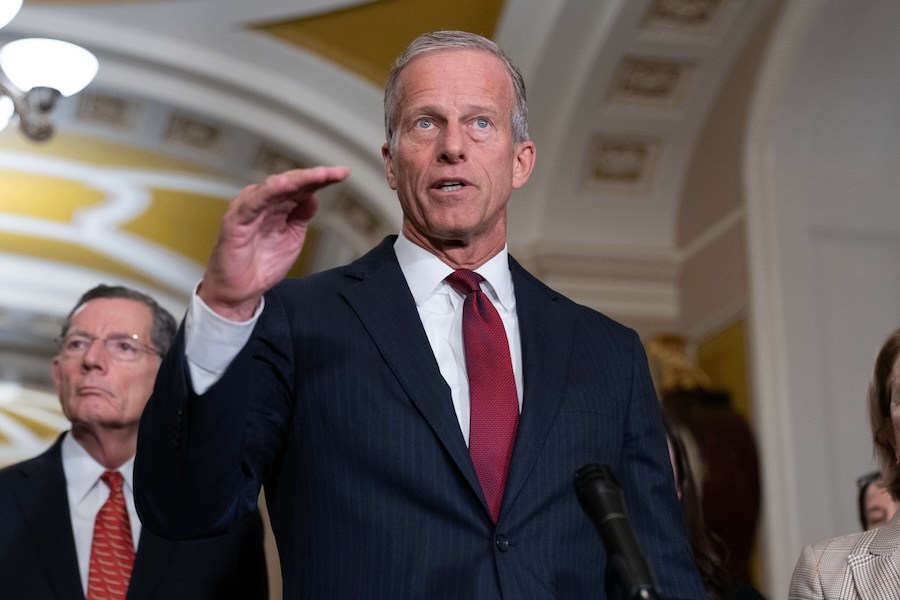
Senate Majority Leader John Thune, R-S.D., is planning a talkathon on the Senate floor for an indefinite period of time, though it won’t officially be the “talking filibuster” that Trump has suggested. Republicans plan to hold the floor for days, if not weeks, to pressure Democrats.
“I can guarantee that we are going to put Democrats on the record,” Thune said on the Senate floor Thursday as he announced the plan to take up the bill, which has already passed the House.
Trump has said he won’t sign any other legislation until the bill — known as the Safeguard American Voter Eligibility or SAVE America Act — is passed. It faces unified opposition from Democrats, meaning that the Senate likely can’t approve it unless Republicans change the rules and eliminate the filibuster. Many GOP senators are unwilling to go that far.
Trump has made the bill a priority ahead of the midterm elections, arguing that Republicans need it to win — even as his party won the presidency and congressional majorities in 2024 without it. Federal law already requires that voters in national elections affirm under oath, at the risk of prosecution, that they are U.S. citizens.